The Secret to Buttery Flaky Pie Crust: Your Ultimate Kitchen Companion
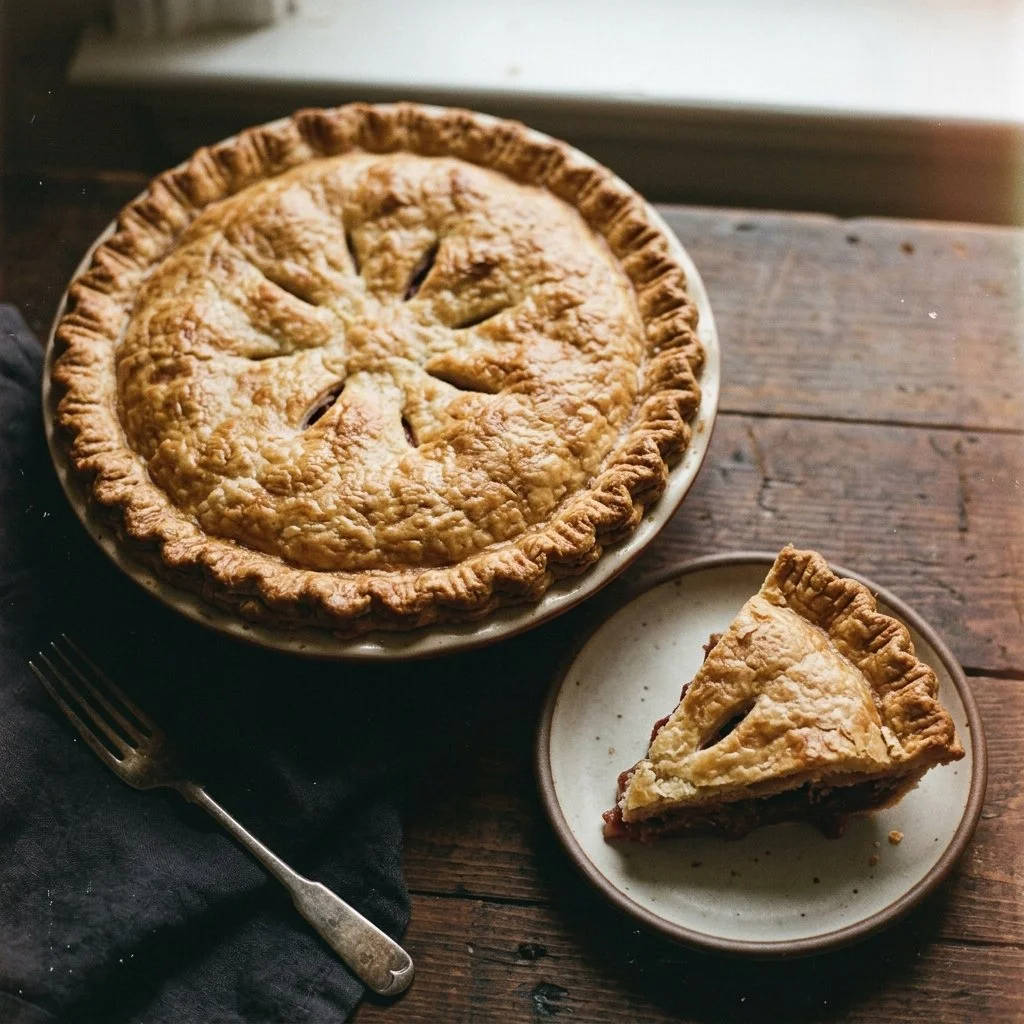
Indulge in the symphony of a perfectly baked pie: the gentle crunch as your fork sinks into the golden crust, the waft of warm, buttery aromas dancing around the kitchen, and that first melt-in-your-mouth texture that envelops your taste buds in pure bliss. Each bite of this Buttery Flaky Pie Crust makes you long for more, as memories of grandmother’s kitchen fill your heart, whisking you back to family gatherings filled with laughter and joy.
The Origin & Heritage
The Buttery Flaky Pie Crust has deep culinary roots, often likened to the comforting embrace of a loved one. Its origins can be traced back to the European traditions of pastry making, where tender, flaky crusts became a staple for sweet and savory pies alike. As a child, nothing compared to the warm smell of butter and flour mingling in Grandma’s kitchen, where recipes were passed down through generations. Each recipe told a story, from her delicate touch to the way she would roll out the dough, reminding us of the love and care embedded in every bite of the pies we savored together.
The Science of Flavor
- All-Purpose Flour: Provides structure while still allowing for that flakiness we all crave.
- Unsalted Butter: The hero of our crust, bringing moisture and rich flavor; chilling it helps create those signature flaky layers.
- Salt: Enhances the pie’s flavor balance and breaks down gluten for a tender bite.
- Sugar: Adds sweetness and promotes browning in the crust, resulting in that appealing golden hue.
- Ice Water: Helps bind the dough while keeping it cool, ensuring that the butter doesn’t melt before baking.
The Ingredients:
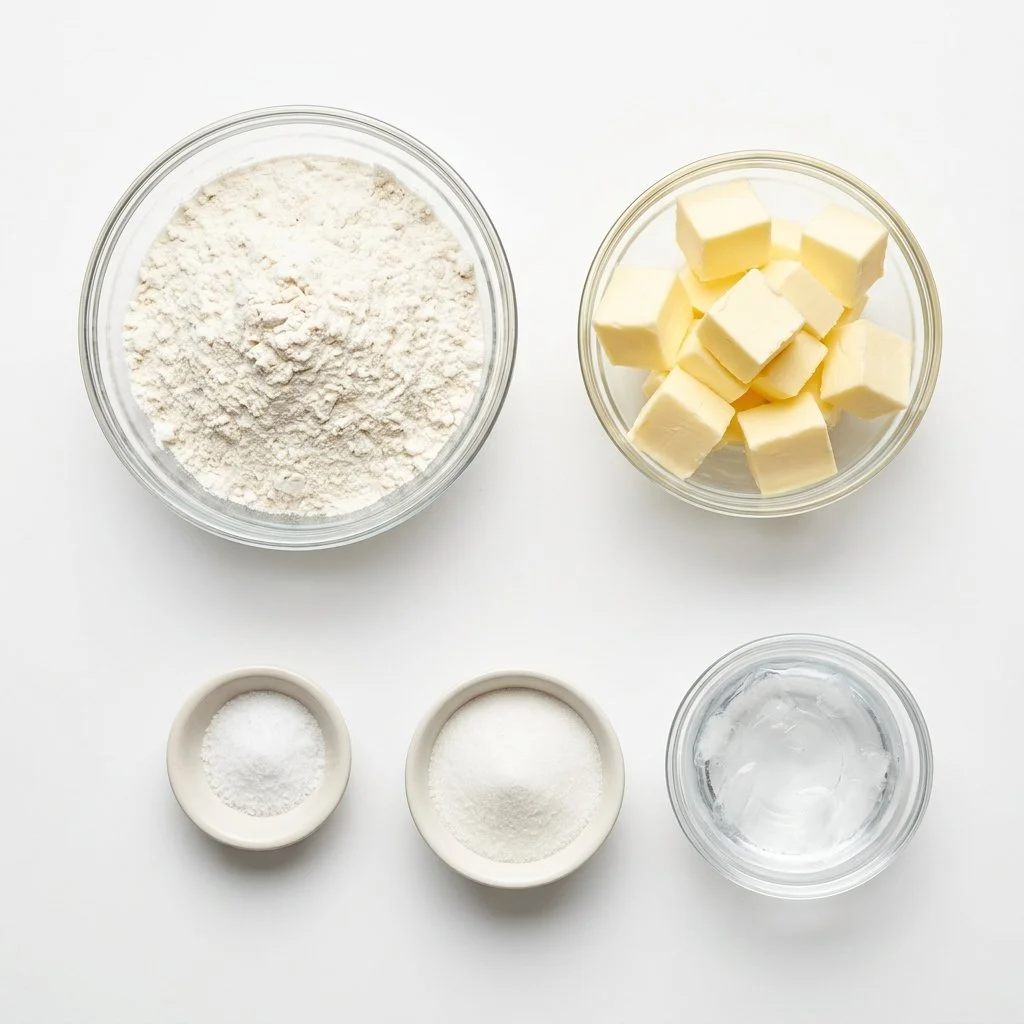
Ingredients for Buttery Flaky Pie Crust
- 2 ½ cups all-purpose flour
- 1 teaspoon salt
- 1 tablespoon sugar
Chilled Ingredients
- 1 cup unsalted butter, chilled and cubed
- 6 to 8 tablespoons ice water
Pro-Note
- All-Purpose Flour: Use a high-quality brand like King Arthur for superior results.
- Butter: Opt for European-style butter (e.g., Kerrygold) for that extra rich flavor.
The Masterclass Instructions
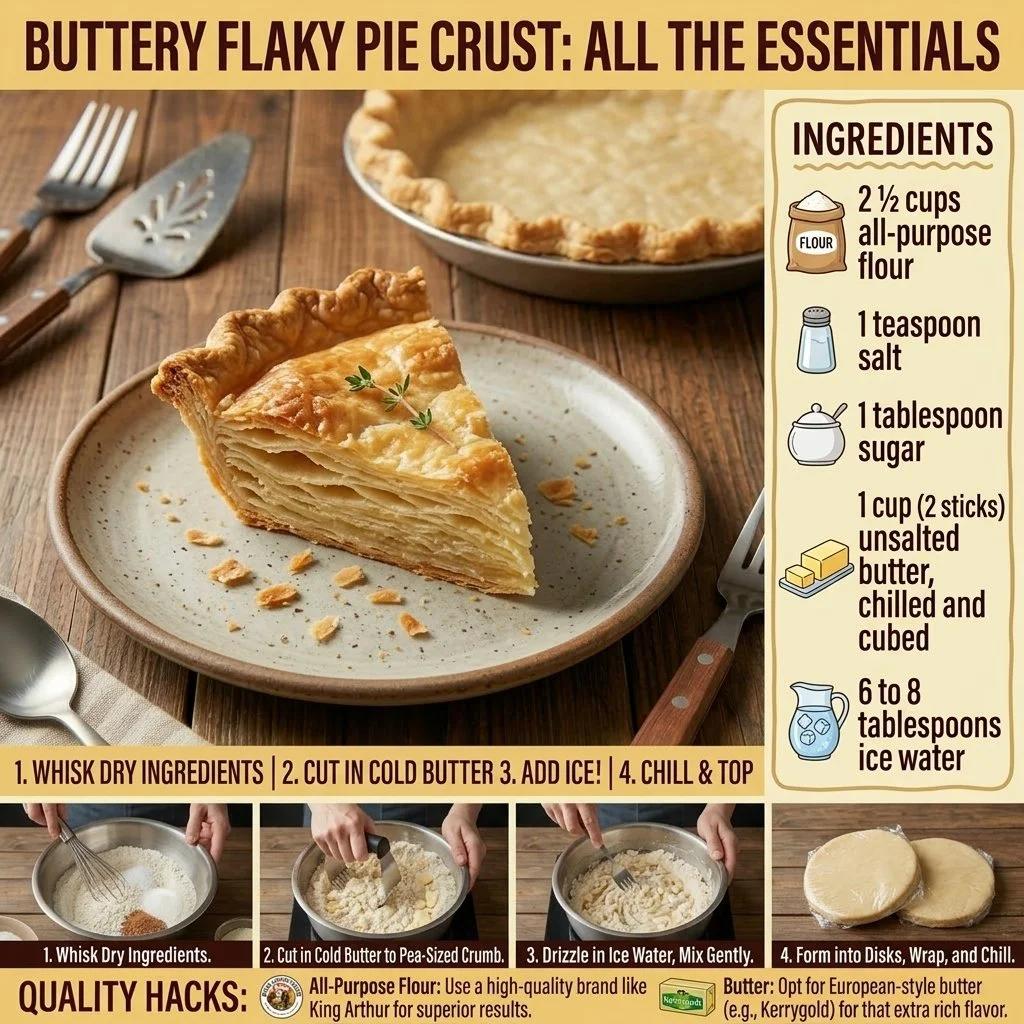
- In a large bowl, combine flour, salt, and sugar using a whisk until well blended; listen for that soft rustling sound.
- Add the chilled butter: Using a pastry cutter or your fingers, mix until the mixture resembles coarse crumbs, creating a flaky texture that promises mouthwatering layers.
- Stir in ice water: Begin adding it, a tablespoon at a time; pause and feel the dough come together—it’s a gentle embrace that signals it’s time for the next step.
- Divide the dough: Shape it into two discs, feeling the coolness of the butter as it forms. Wrap them in plastic wrap and refrigerate for at least an hour; this rest is essential for perfect flakiness.
- Roll out the dough: When ready, flour your surface and roll the dough out to fit your pie or tart pan. Listen to the gentle stretch and see the dough transform, ready to hold your favorite fillings.
A Healthier Perspective
To boost the nutritional value of your Buttery Flaky Pie Crust:
- Swap refined sugar for monk fruit: This natural sweetener has virtually no calories and is a great alternative for health-conscious bakers.
- Consider adding seeds: Chia or flaxseed can be added for a fiber boost, enhancing the crust’s nutritional profile.
Health Benefits of Butter: While often considered indulgent, butter is a source of essential vitamins A, D, E, and K and contains beneficial fatty acids that support healthy digestion.
The Troubleshooter
Why did my crust turn out tough?
- Ensure you didn’t overwork the dough; handle it gently and keep your butter chilled.
Why isn’t my crust flaky?
- Check that your butter was cold enough before mixing, and ensure you didn’t roll the dough too thin.
Why did my crust shrink while baking?
- This can happen if the dough wasn’t chilled long enough; always give it a proper rest in the fridge before rolling.
The Art of Serving
Serve your Buttery Flaky Pie Crust filled with your favorite fruits or creamy fillings. For unmatched indulgence, pair it with a dollop of freshly whipped cream or a scoop of vanilla bean ice cream. Enjoy it best in the cozy ambiance of a family gathering or during a warm, inviting evening at home.
The Dietary Lab
Vegan Version
- Substitute butter with coconut oil or a vegan butter alternative.
Gluten-Free Version
- Use a gluten-free all-purpose flour blend.
Keto Version
- Replace flour with almond flour for a low-carb pie crust.
Storage & Revival
- Yield: Makes 2 pie crusts.
- Prep Time: 20 minutes (plus chilling time).
- Cook Time: Depends on the filling, typically 45-60 minutes.
The Revival Rule: To reheat your pie, place it in an oven preheated to 350°F for about 10-15 minutes until the crust is warmed and crisp again. Avoid using a microwave, as it will lead to a soggy texture.
Frequently Asked Questions
Can I use whole wheat flour instead of all-purpose flour?
Yes, but be prepared for a denser texture. Mixing it with all-purpose flour can yield a better result.
How can I tell if my pie crust is done baking?
Look for a golden brown color and a flaky texture. It should feel firm to the touch, indicating it has cooked through.
Can I freeze pie crust?
Absolutely! Wrap tightly in plastic wrap and store in an airtight container for up to 3 months. Thaw in the fridge overnight before using.
Why does my pie crust have holes after baking?
This can occur if you didn’t dock (poke holes in) the crust before baking; it allows steam to escape and avoids bubbling.
What is the best way to roll out pie dough?
Use a floured surface and a rolling pin, starting from the center and working outward to achieve an even thickness.
Can I make this dough ahead of time?
Yes! You can refrigerate the wrapped dough for up to 3 days or freeze it for longer storage.
What can I use as a pie filling for my crust?
Almost anything! Fruit, custard, or savory ingredients like quiche fillings work beautifully.
How do I prevent my pie from becoming soggy?
Use a blind-baking technique by pre-baking the crust slightly before adding wet fillings.
Can I substitute sugar with any sweetener?
Yes, many can be used as sugar substitutes such as maple syrup, but adjustments in liquid may be required.
What’s the difference between blind baking and regular baking?
Blind baking involves pre-baking the crust without filling to ensure it doesn’t get soggy from wet fillings later.
The Final Bite
I hope this Buttery Flaky Pie Crust captures the essence of home and nostalgia for you, just as it did for me. Leave a comment below if you tried the Buttery Flaky Pie Crust! Don’t forget to explore other delightful recipes such as Classic Apple Pie, Chocolate Cream Pie, and Savory Quiche Lorraine. Happy baking!
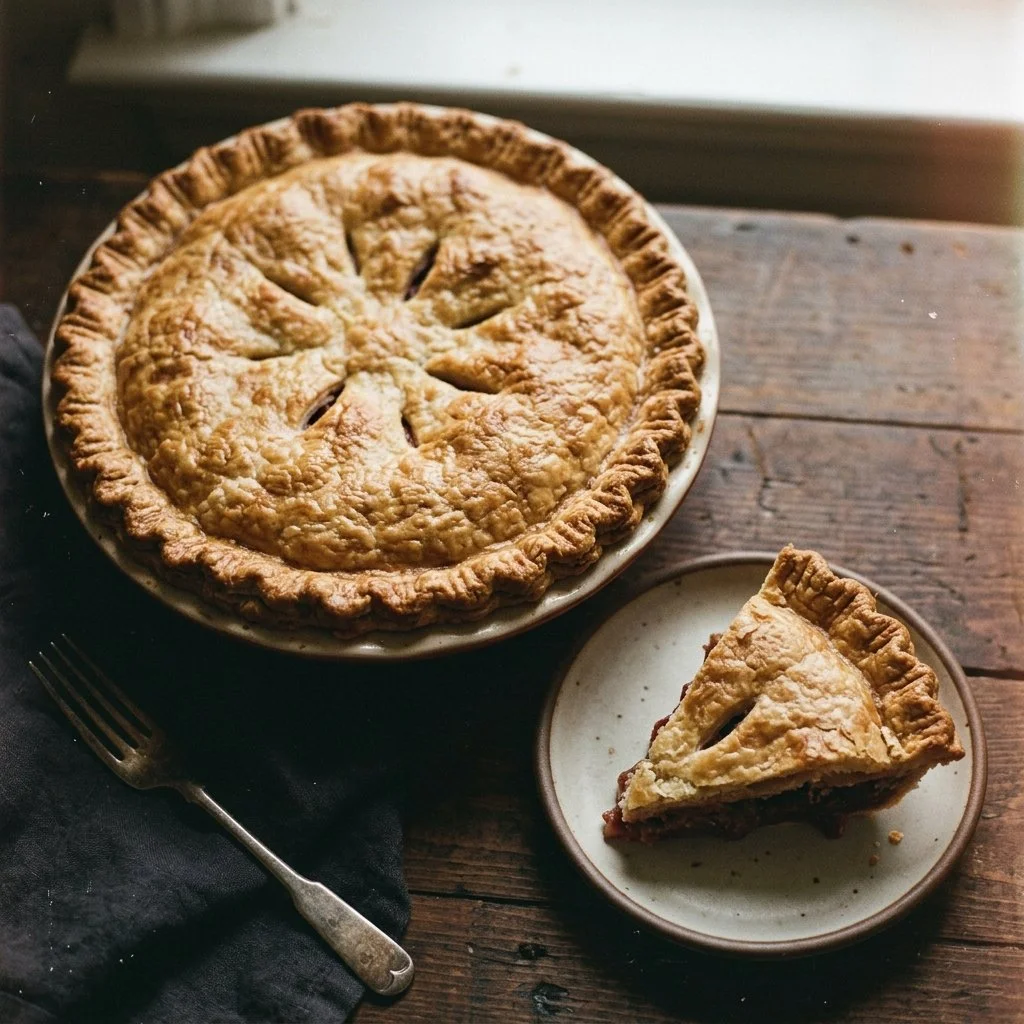
Buttery Flaky Pie Crust
Ingredients
Method
- In a large bowl, combine flour, salt, and sugar using a whisk until well blended.
- Add the chilled butter: Using a pastry cutter or your fingers, mix until the mixture resembles coarse crumbs.
- Stir in ice water: Add it, a tablespoon at a time, until the dough comes together.
- Divide the dough: Shape into two discs, wrap in plastic wrap, and refrigerate for at least an hour.
- Roll out the dough: When ready, flour your surface and roll it out to fit your pie or tart pan.