Discover the Magic of Thai Panang Curry Paste: A Flavorful Journey to Comfort Food Bliss!
I still remember the first time I stepped into a Thai restaurant— the air was thick with the heady aroma of spices, coconut milk, and something indescribably delicious. It was there that I tasted my very first Panang curry, a dish that felt like a warm hug, full of complexity yet utterly comforting. As I savored each bite, I realized that the secret was not just in the coconut milk and tender meat but in the rich, aromatic Thai Panang curry paste that made it all come together.
What makes this recipe so special? It’s simple: I’ve blended traditional methods with fresh ingredients, creating a homemade curry paste that packs a punch, yet is layered with flavors that you won’t find in store-bought versions. This isn’t just a recipe; it’s a memory in the making, one that brings family and friends together around the dinner table.
Join me as I share my passion for creating this delightful Thai Panang curry paste, guaranteed to become your go-to for weeknight dinners and special occasions alike. By the end, you’ll understand how to transform rations of simple ingredients into a heavenly paste that takes your dishes to another level of yum.
What Are Thai Panang Curry Paste?
A delicious Thai Panang curry paste is the heart and soul of the eponymous curry dish. Originating from the rich culinary culture of Thailand, this vibrant paste blends numerous ingredients that create a unique but harmonious balance of flavors. Typically, the paste is a fiery, fragrant blend of dried chilies, spices, and herbs that form the backbone of the dish. The texture is smooth and slightly grainy, thanks to finely ground peanuts, and the aroma is intoxicating, wafting through the air as it cooks.
What sets Panang curry paste apart from its counterparts—like red or green curry paste—is its slightly sweet and nutty flavor, often enhanced by the addition of roasted peanuts and the hint of makrut lime leaf. It’s a paste you whip up when you want to impress your loved ones with a meal that transcends the everyday. Make it when you’re craving warmth and love in a bowl; it beckons for soulful family dinners or a joyful gathering with friends.
Why You’ll Love This Recipe
Customization at Its Best: Unlike store-bought versions, you have complete control over what goes into your Thai Panang curry paste. Want it spicier? Toss in more chilies! Prefer a nuttier flavor? Adjust the peanut quantity! The power of flavor is in your hands.
Wholesome Fresh Ingredients: Using fresh ingredients means this recipe is bursting with flavor and nutrition. You can taste the difference, and your body will thank you for skipping the preservatives and additives found in many pre-packaged options.
Cost-Effective & Fresh: While those premium jars of curry paste might be tempting, they often come with a hefty price tag. You can craft a lavish batch at home for a fraction of the price, and it might even last longer in your fridge or freezer.
Quick & Easy to Make: If you have a coffee grinder or a mortar and pestle, you’re already halfway there! This recipe doesn’t require hours of slaving away in the kitchen. With just a little bit of love and some kitchen tools, you’ll have delicious homemade paste in no time.
Irresistible Comfort Food: The aroma alone is enough to make anyone feel at home. It’s a dish rooted in tradition, making it perfect for family gatherings, a date night in, or simply a cozy evening on the couch. Each spoonful conjures memories of love and laughter.
Ingredients
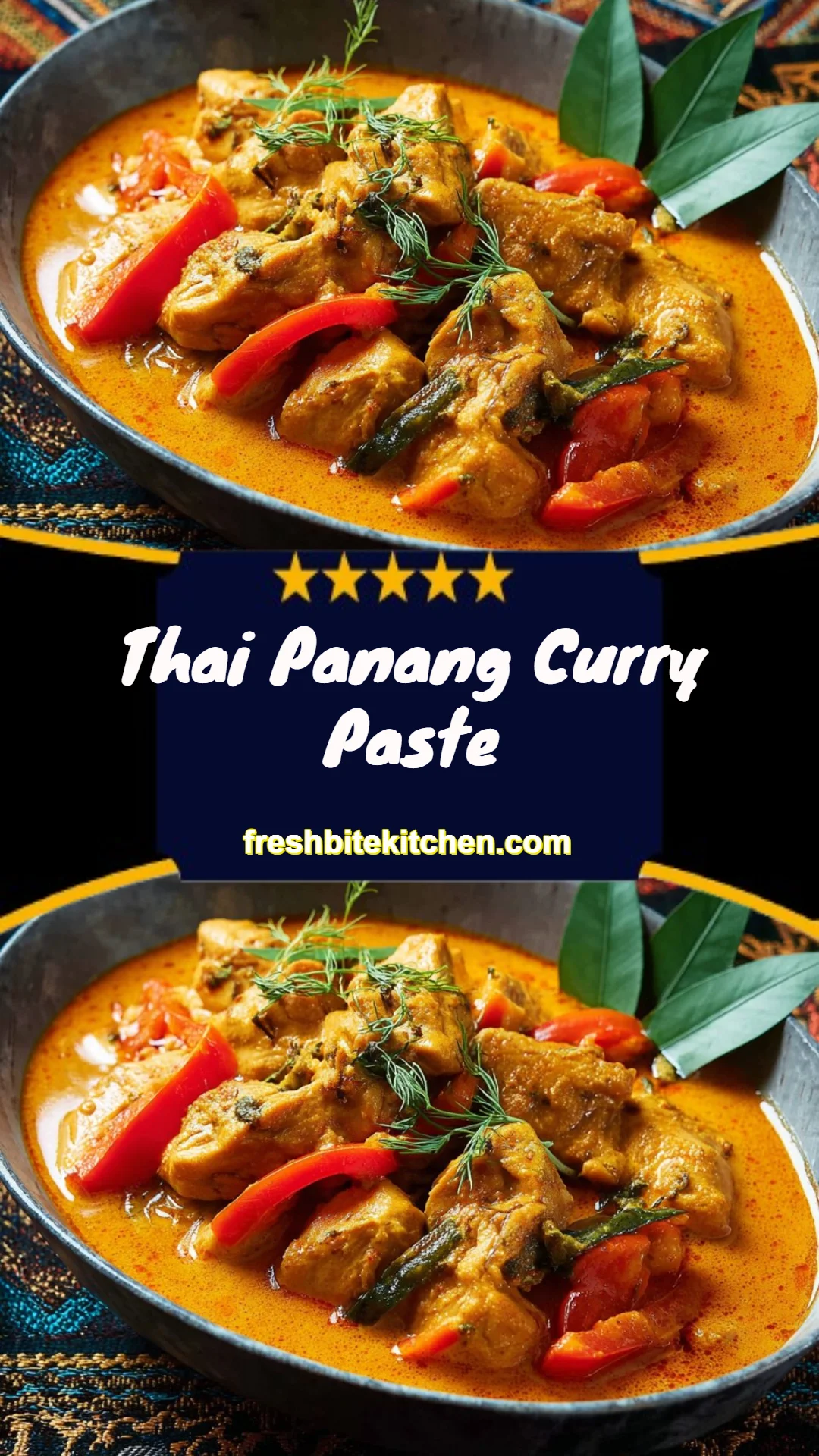
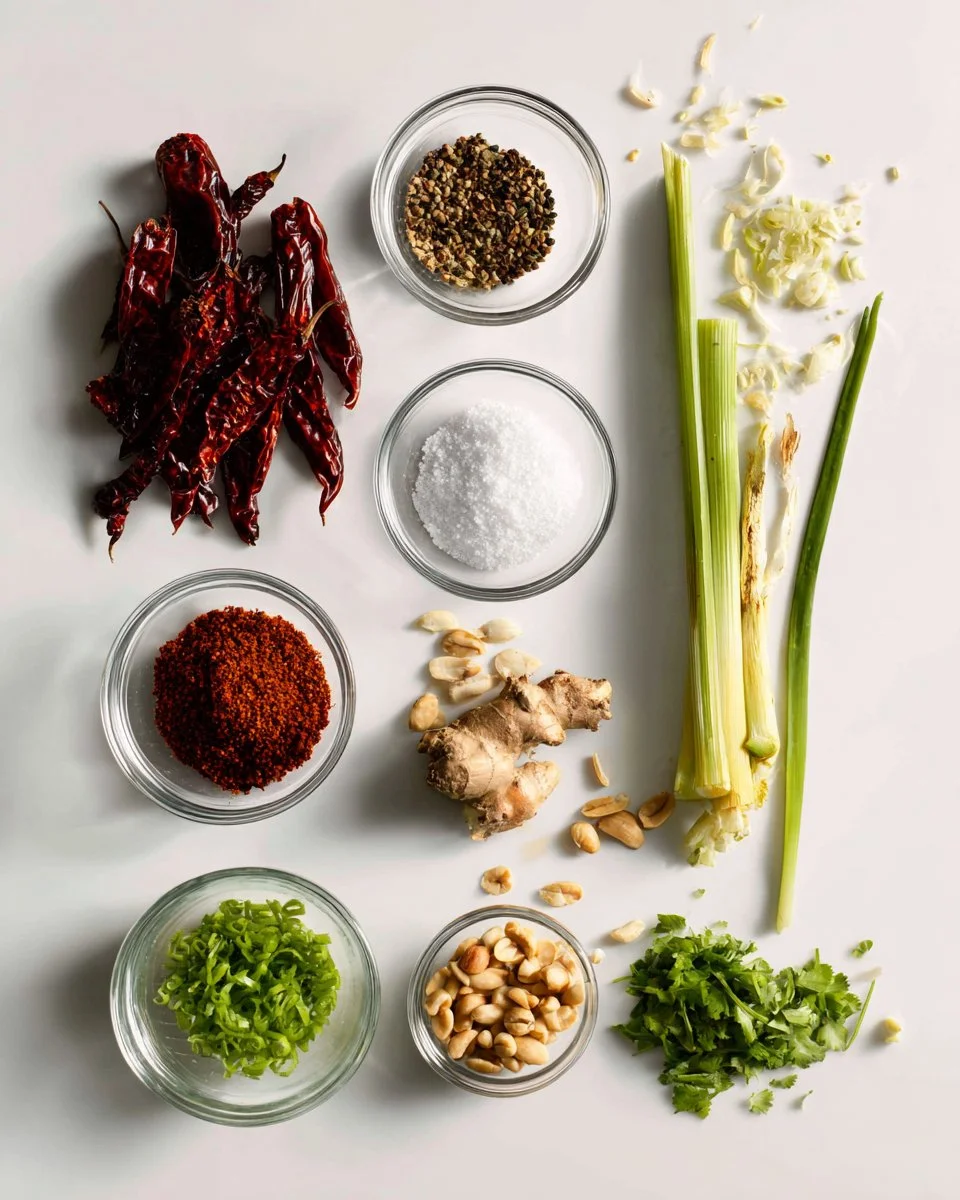
Here’s what you’ll need to create your own Thai Panang curry paste:
- 10 g mild dried chilies (such as guajillo or puya)—adds heat without overwhelming the flavor
- ½ tsp salt—balances the spices while enhancing overall flavors
- ¾ tsp cumin seeds, toasted—adds a warm, earthy note
- 1 ½ tsp coriander seeds, toasted—provides a citrusy sweetness
- ¼ tsp white peppercorns—delivers a gentle kick
- 2 inches lemongrass, sliced into very thin rounds—offers a fresh, lemony flavor
- 1 Tbsp finely chopped galangal—adds a hint of ginger spice
- 1 ½ tsp finely chopped makrut lime zest—brings an aromatic citrus lift
- 2 cilantro roots or 6 cilantro stems, finely chopped—infuses earthiness
- 3 Tbsp finely chopped garlic—adds depth and flavor
- ¼ cup finely chopped shallots—adds sweetness and fragrance
- 1 tsp fermented shrimp paste—provides umami richness
- 12-15 roasted peanuts—for creaminess and a nutty essence
Ingredient Quality & Prepping Notes
- Dried Chilies: Look for high-quality chilies that are vibrant in color. You can adjust the quantity based on your heat tolerance.
- Fresh Ingredients: Always choose fresh herbs and vegetables for the best flavor.
- Peanuts: Unsalted and roasted peanuts work best. If you prefer a nut-free paste, you can omit them entirely, but the flavor may change slightly.
Preparation Tip: Before cooking, make sure all your ingredients are at room temperature for optimal blending.
Step-by-Step Instructions
Grind the Spices: Using a coffee grinder, grind the dried chilies, cumin seeds, coriander seeds, white peppercorns, and salt into a fine powder. Transfer the mixture to a bowl and set aside.
Grind the Peanuts: Still using the grinder, pulse the roasted peanuts until fine but not oily. They should resemble a coarse flour.
Create the Paste: If using a mortar and pestle, pound the lemongrass, galangal, makrut lime zest, and cilantro roots until you have a fine paste. Add the shallots and garlic and continue to pound until combined. Finally, stir in the ground chili mixture and peanuts and pound until mixed well.
Tip: If you’re using an immersion blender, place the lemongrass, galangal, makrut lime zest, and cilantro roots in a narrow container along with the shallots and garlic. Blend until smooth, scraping the sides as necessary. Add the ground mixture and peanuts, then blend again until combined.
Storage: Use your Thai Panang curry paste immediately in your favorite recipes, or store it in the fridge for up to 3 days. You can also freeze the paste for months in an airtight container.
Chef’s Tip: Freeze small batches in ice cube trays for easy portioning later!
Expert Tips & Tricks
Choose the Right Equipment: Whether you use a coffee grinder, mortar and pestle, or an immersion blender can change your paste’s texture. A mortar and pestle yields a rougher, more rustic paste, while an immersion blender creates a smoother, more uniform consistency.
Taste Along the Way: Don’t hesitate to adjust the flavors as you go! Taste the paste and tweak it based on your palate. Want more heat? Add more chilies!
Make-Ahead: Prepare your Thai Panang curry paste in advance. It keeps well in the fridge and can even improve in flavor as it sits, allowing the spices to mingle.
Storage Recommendations: If freezing, use tightly sealed containers. Divide into smaller portions so you can use just what you need later.
Troubleshooting: If your paste is too thick, add a tiny splash of water to help blend the ingredients. If too spicy, balance with a touch of sweetness (e.g., a pinch of brown sugar).
Serving Suggestions
This aromatic Thai Panang curry paste is a versatile star in your kitchen. Here are some ideas on what to serve it with:
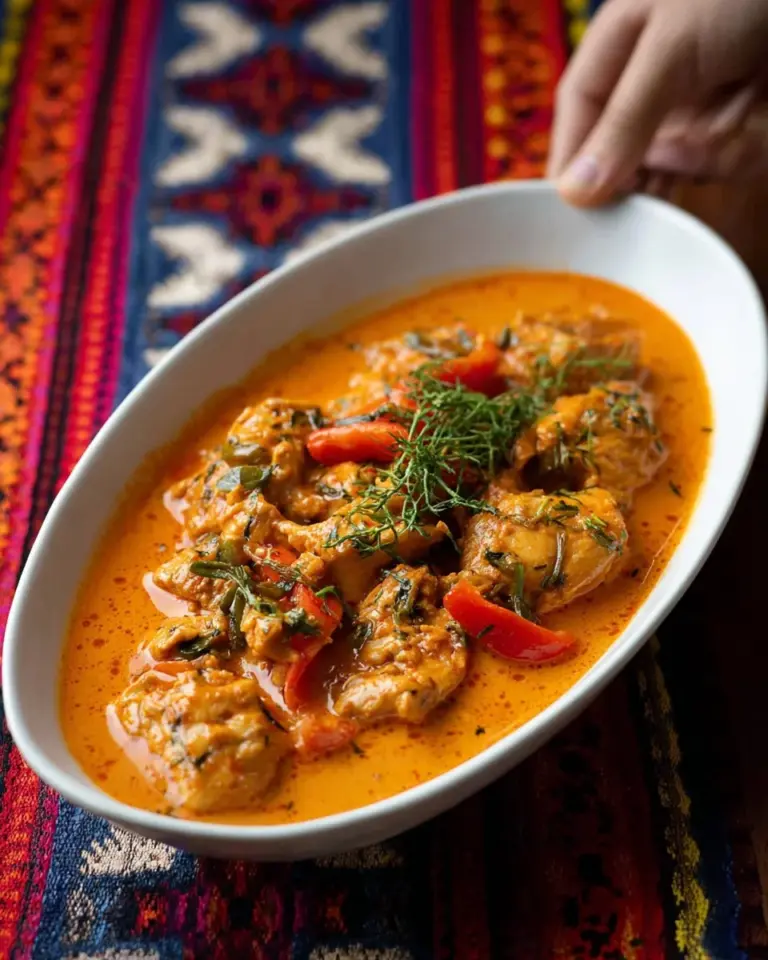
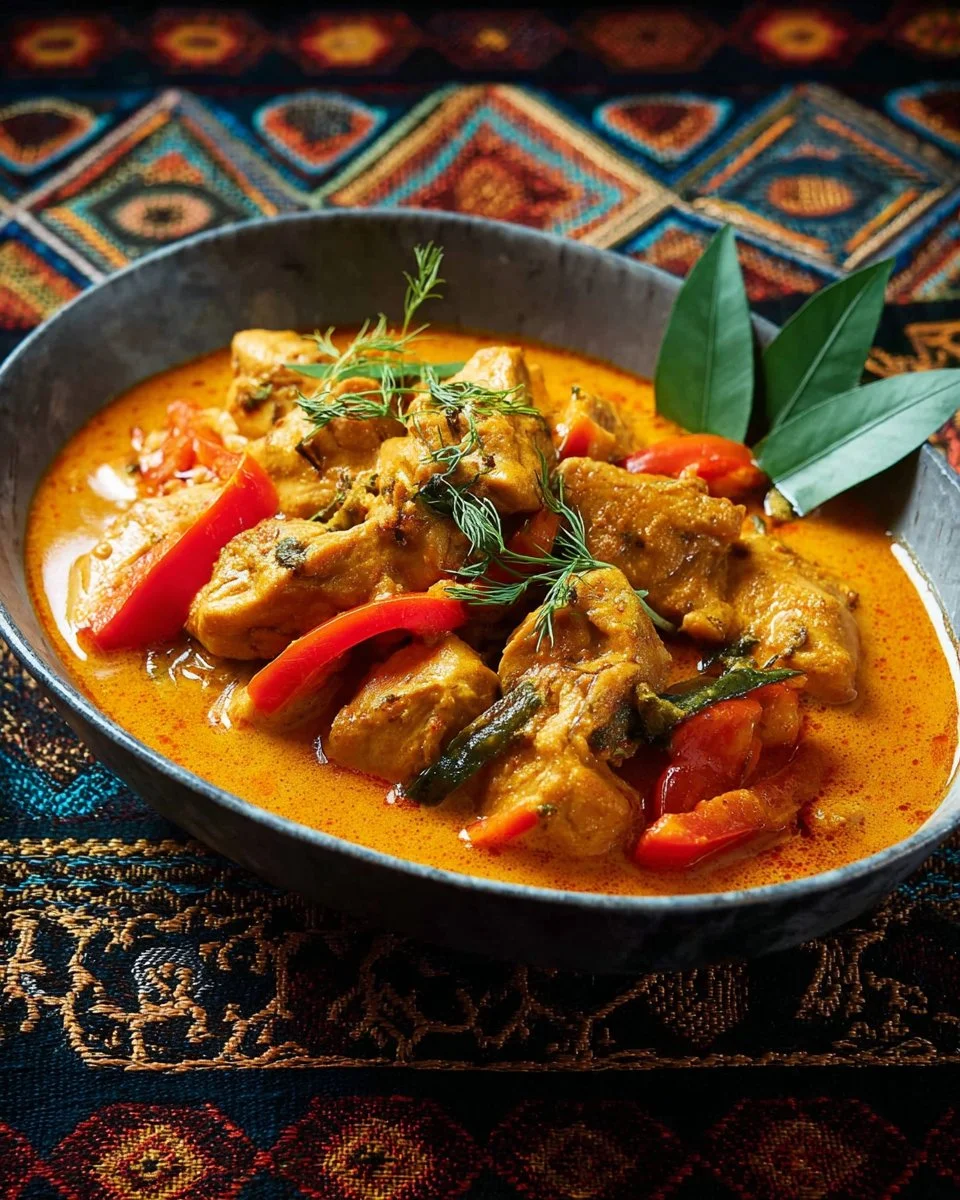
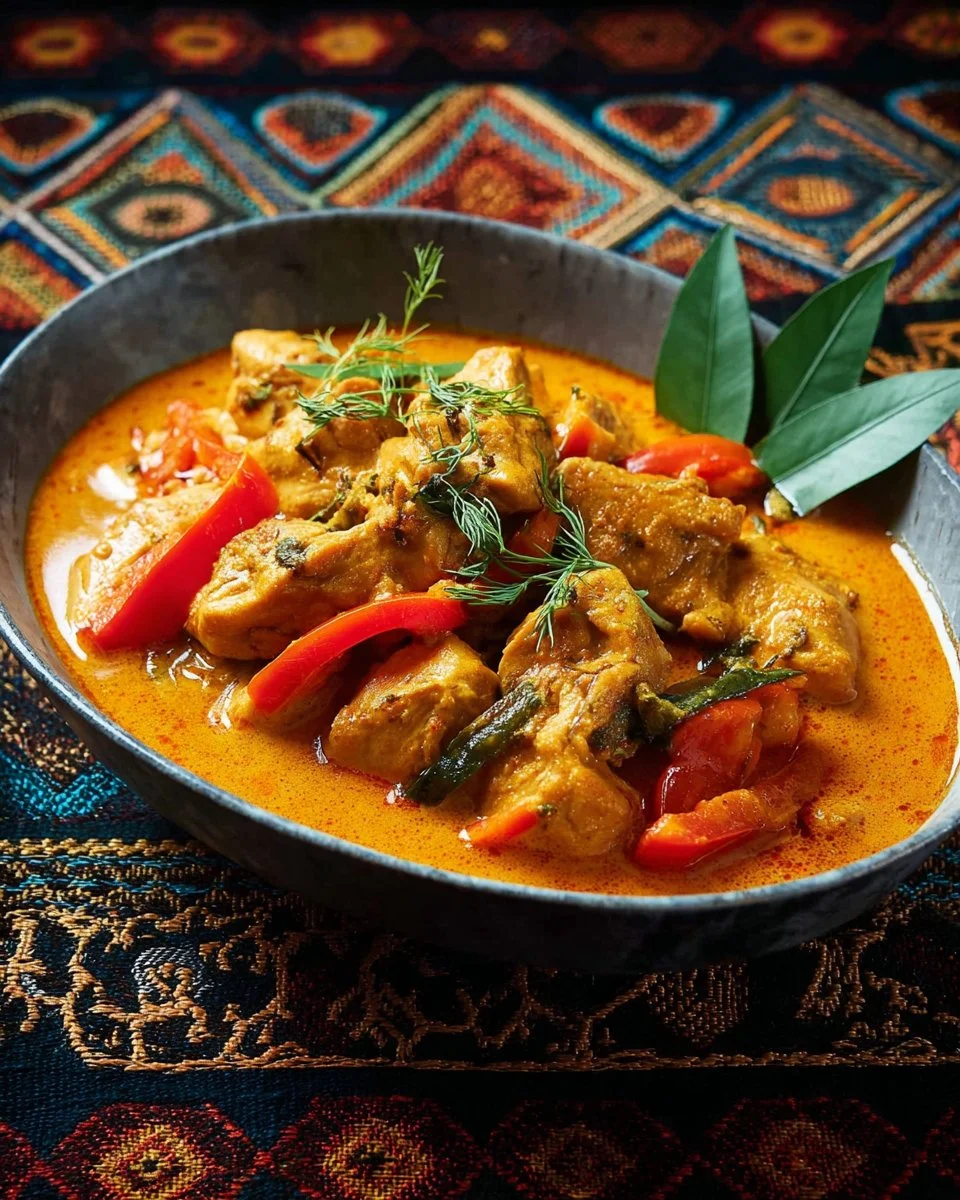
- Pair it with tender chicken, beef, or tofu simmered in coconut milk for a divine curry.
- Serve it over a fluffy bed of jasmine rice, and don’t forget a squeeze of lime on top for a burst of acidity.
- Presentation tip: Garnish with fresh cilantro and sliced Thai chilies for a pop of color and flavor!
For a beautiful meal, why not serve it alongside crunchy green papaya salad or steamed vegetables?
Variations & Substitutions
Feeling adventurous? Try these variations!
- Spice It Up: Adjust the heat by using different types of chilies or adding in some fresh Thai bird chilies for that extra kick.
- Herb Alternatives: If cilantro isn’t your thing, you can swap it for fresh basil or mint for a unique twist.
- Dietary Adaptations: For a vegan or vegetarian option, skip the shrimp paste and consider adding some miso paste for a similar umami depth.
- Seasonal Variations: Incorporate seasonal vegetables into your dish! Sweet potatoes, pumpkin, or zucchini can add a wonderful texture and flavor.
Nutrition & Storage Info
- Prep Time: 20 minutes
- Total Time: 30 minutes
- Yield: About 1 cup of Thai Panang curry paste (serves 6-8)
- Estimated Calories: Approximately 80 calories per serving based on the use of 2 tablespoons of paste per serving.
Storage Instructions:
- At room temperature: 1-2 hours (not recommended for longer periods).
- Fridge: 3 days.
- Freezer: 3-6 months.
FAQ Section
Can I use this paste in other dishes?
Yes! This curry paste can enhance stir-fries, soups, and even noodles.Are there non-spicy alternatives?
You can omit the chilies or substitute with sweet paprika for a milder taste.Is it vegan-friendly?
Yes, it is vegan-friendly if you omit the shrimp paste or substitute it with vegan alternatives.Can I double this recipe?
Absolutely! Just be sure you have enough storage containers for the larger batch.How do I adjust the flavors if it’s too salty or spicy?
You can balance it out with a touch of sugar or coconut milk.Is it necessary to roast the spices?
Roasting enhances flavor, but if you’re short on time, you can skip this step.What is the best way to thaw frozen curry paste?
Place it in the fridge overnight, or for quicker results, defrost in the microwave on low power.Can I add more nuts?
Yes! You can add more peanuts or even try cashews for a different flavor.How long does the paste last in the fridge?
The paste typically lasts for up to 3 days when stored properly.What’s the key to a good Panang curry?
A good balance of flavors—sweet, spicy, sour, and salty—is essential for a delicious dish.
Conclusion
Creating your own Thai Panang curry paste is not just a recipe—it’s an experience filled with aromatic spices and heartwarming flavors. Handcrafted with love, this paste brings a taste of Thailand right into your kitchen, making every meal a chance to connect with family and reminisce over shared memories.
I hope you give this recipe a try! Share your thoughts or questions in the comments—I love hearing from you! And don’t forget to check out my other Thai-inspired recipes on the blog for more delicious adventures. Happy cooking!
Thai Panang Curry Paste
Ingredients
Method
- Using a coffee grinder, grind the dried chilies, cumin seeds, coriander seeds, white peppercorns, and salt into a fine powder. Transfer the mixture to a bowl and set aside.
- Still using the grinder, pulse the roasted peanuts until fine but not oily. They should resemble a coarse flour.
- If using a mortar and pestle, pound the lemongrass, galangal, makrut lime zest, and cilantro roots until you have a fine paste. Add the shallots and garlic and continue to pound until combined.
- Finally, stir in the ground chili mixture and peanuts and pound until mixed well.
- If using an immersion blender, place the lemongrass, galangal, makrut lime zest, and cilantro roots in a narrow container along with the shallots and garlic. Blend until smooth, scraping the sides as necessary. Add the ground mixture and peanuts, then blend again until combined.
- Use your Thai Panang curry paste immediately in your favorite recipes, or store it in the fridge for up to 3 days.
- You can also freeze the paste for months in an airtight container. Chef’s tip: Freeze small batches in ice cube trays for easy portioning later!