Discover the Magic of Authentic Thai Panang Curry: A Flavorful Journey for the Soul
There’s something magical about the aroma of a pot of Authentic Thai Panang Curry simmering on the stove. It takes me back to my childhood, where my mother would whip up this comforting dish, filling our home with the enticing scents of spices, coconut milk, and fresh herbs. It was never just food; it was a celebration of family and culture, a dish that brought us together around the dinner table, sharing laughter and stories.
What makes this Panang curry recipe special isn’t just its incredible flavor but also the depth of nostalgia it carries. Unlike many store-bought versions that lack authenticity, this recipe is as close to the real deal as you can get without flying to Thailand! With each spoonful, I promise you’ll experience a symphony of rich, creamy coconut flavors enveloped in aromatic spices.
This isn’t just a basic recipe; you’ll learn the art of balancing flavors to create a harmonious dish that is both comforting and unforgettable. So, roll up your sleeves and let’s dive into the culinary adventure of making this delectable dish!
What Are Authentic Thai Panang Curry?
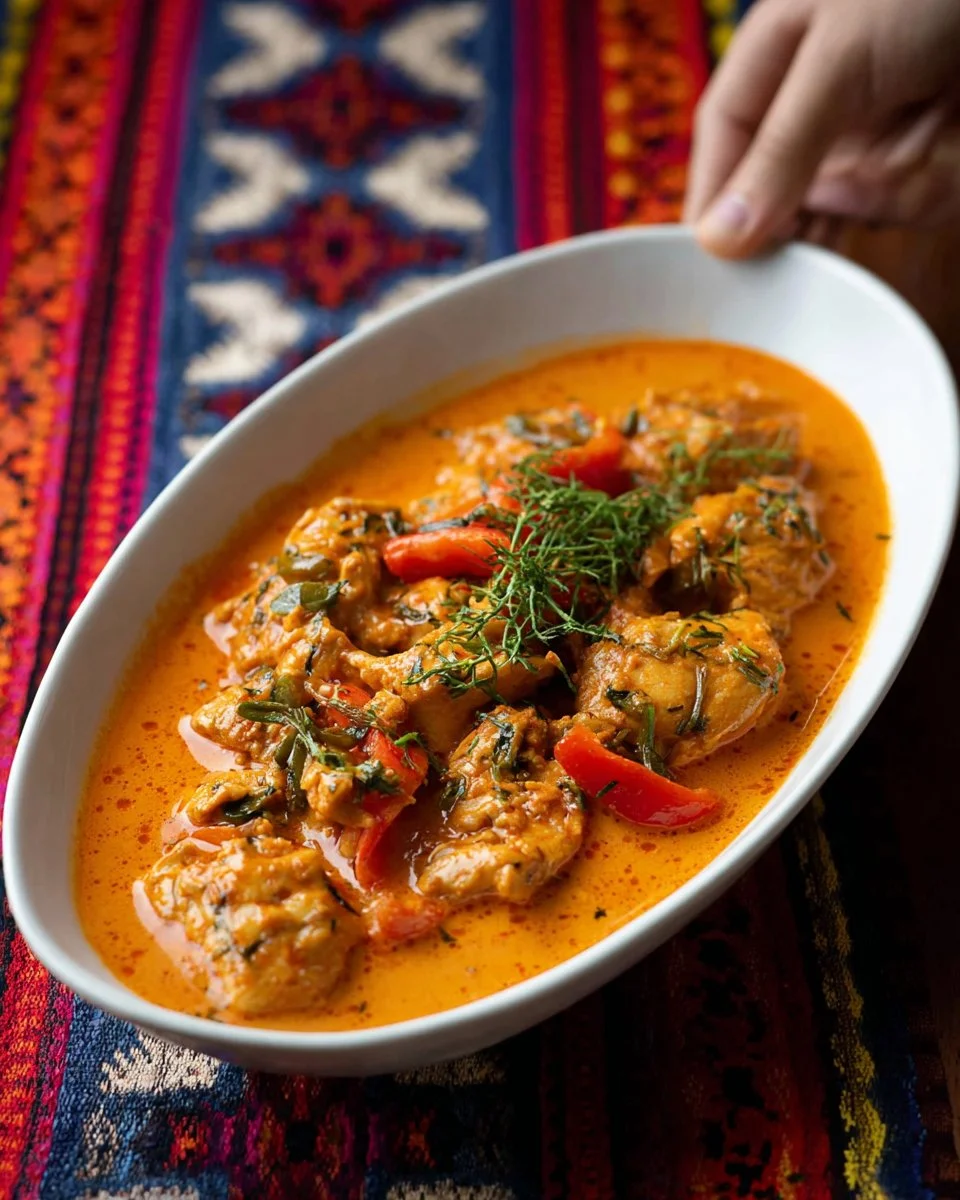
Authentic Thai Panang Curry hails from Thailand’s central region and is a beloved variant of traditional red curry. It’s characterized by its thick and creamy texture, owing to a generous use of coconut milk, combined with the fragrant notes of lime leaves and the warmth of spices.
The taste profile of Panang curry is an exquisite blend of sweet, salty, and savory, heightened by the tartness of lime and the richness of slow-cooked meat—usually pork, but beef or chicken are also popular choices.
What makes this curry unique is not just its flavor but how versatile it is. You can adjust the ingredients to fit your taste preferences, making it perfect for a cozy family dinner or a festive gathering. Whether it’s a rainy day comfort meal or an impressive dish to serve at a gathering, Panang curry is always a welcome addition to any table.
Why You’ll Love This Recipe
Authenticity That Shines: This isn’t just any Panang curry; it’s an authentic recipe passed down through generations. Each ingredient has been thoughtfully selected to deliver the best flavor.
Cost-Effective Delight: Making Panang curry at home saves you money versus dining out. You can indulge in a gourmet experience without breaking the bank.
Customization Options: Whether you’re a meat lover or a vegetarian, this curry can easily be adapted to accommodate your dietary needs. Switch out the pork for tofu or your favorite veggies, or try experimenting with different proteins!
Easy Yet Impressive: Don’t worry if you feel like a novice in the kitchen. This recipe is easy to follow and doesn’t require any fancy techniques—anyone can make it! Plus, your guests will be impressed by your cooking skills when they taste this rich, delicious dish.
Save Time: While many might think a curry takes ages to prepare, this recipe can be whipped up in about 30-40 minutes. Plus, it freezes wonderfully, allowing you to batch cook and enjoy later!
With these advantages, you’ll find yourself reaching for this recipe time and again!

Ingredients
For the Panang Curry
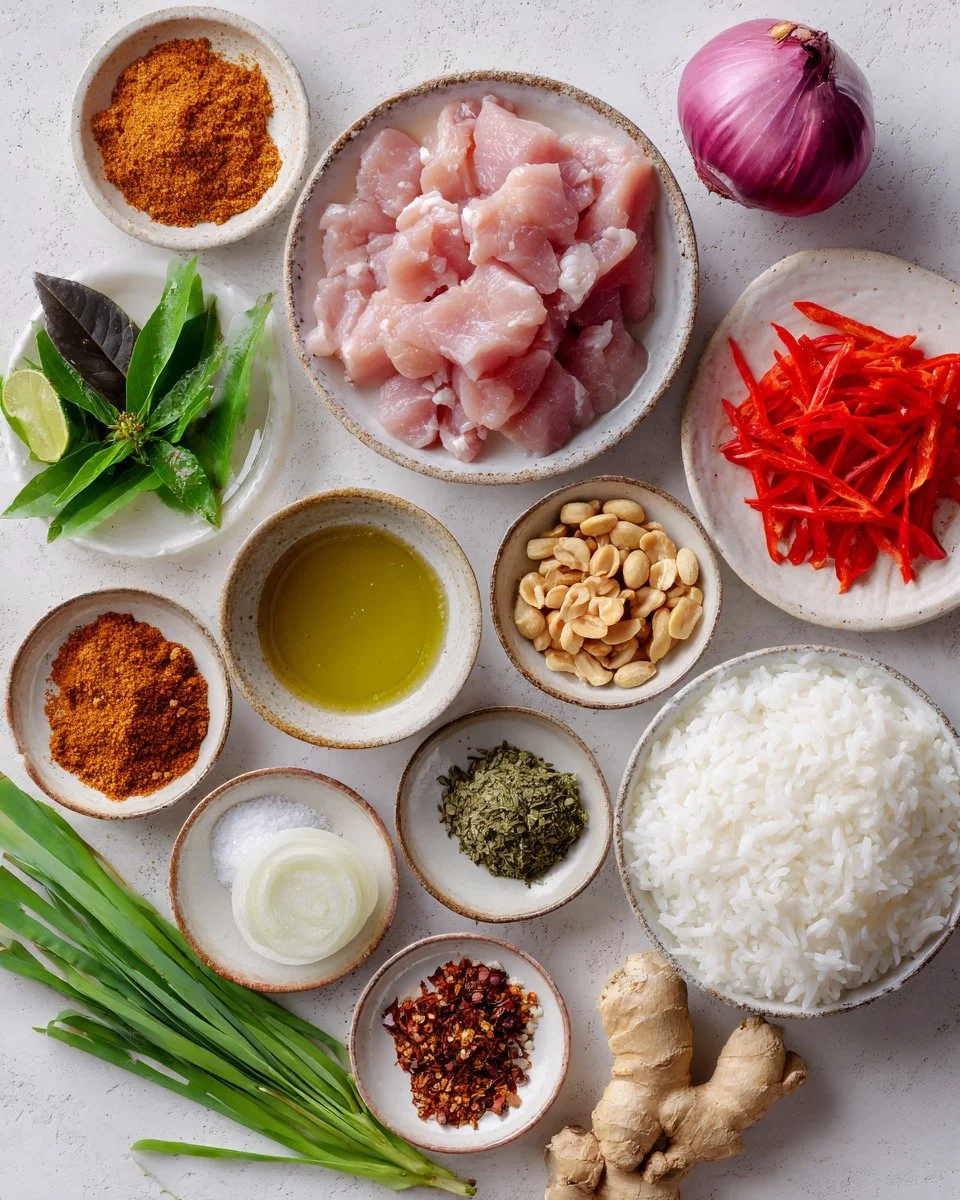
- 4 Tbsp Panang curry paste
- 10.5 oz pork tenderloin, thinly sliced
- 1.5 tsp fish sauce
- 2 tsp neutral oil
- 1.25 cups coconut milk
- 10 makrut lime leaves, torn
- 1.5 Tbsp palm sugar, finely chopped
- 1 red bell pepper, julienned (optional)
- Jasmine rice for serving
For Homemade Panang Curry Paste
- 10 g dried mild chilies
- 0.5 tsp coarse salt
- 0.75 tsp cumin seeds
- 1.5 tsp coriander seeds
- 0.25 tsp white peppercorns
- 3 Tbsp chopped lemongrass
- 1 Tbsp chopped galangal
- 1.5 tsp makrut lime zest
- 2 cilantro roots or 6 cilantro stems
- 3 Tbsp chopped garlic
- 0.25 cup chopped shallots
- 1 tsp fermented shrimp paste
- 2 Tbsp roasted peanuts
For Semi-Homemade Panang Curry Paste
- 4 Tbsp red curry paste
- 0.75 tsp cumin seeds
- 1.5 tsp coriander seeds
- 2 Tbsp roasted peanuts
- 1 tsp fermented shrimp paste (optional)
Ingredient Notes
- Quality Counts: Opt for fresh, high-quality ingredients wherever possible. Fresh coconut milk makes a world of difference compared to canned versions.
- Substitutions: If you can’t find makrut lime leaves, you can use regular lime zest as a last resort.
Prep notes: Ensure your meat is at room temperature for even cooking.
Step-by-Step Instructions
Prepare the Pork: In a bowl, combine the sliced pork tenderloin with 1.5 tsp fish sauce and 2 tsp neutral oil. Massage it gently to ensure the flavors penetrate the meat.
Start the Base: In a pan or wok over medium-high heat, add 0.75 cup of coconut milk. Allow it to reduce for about 5-7 minutes until it thickens and starts to shimmer.
Add the Curry Paste: Stir in your 4 Tbsp of Panang curry paste into the thickened coconut milk. Cook for another 2-3 minutes until the oil begins to separate, infusing the milk with flavor.
Sweeten the Deal: Add in 1.5 Tbsp of palm sugar and the torn makrut lime leaves. Continue to cook for another minute to meld the flavors together.
Cook the Pork: Add the marinated pork to the pan and stir-fry until it’s mostly cooked through, about 3-5 minutes.
Finish with Coconut: Pour in the remaining 0.5 cups of coconut milk and stir to combine. If using, add the julienned red bell pepper for a pop of color and texture. Taste and adjust seasoning as needed.
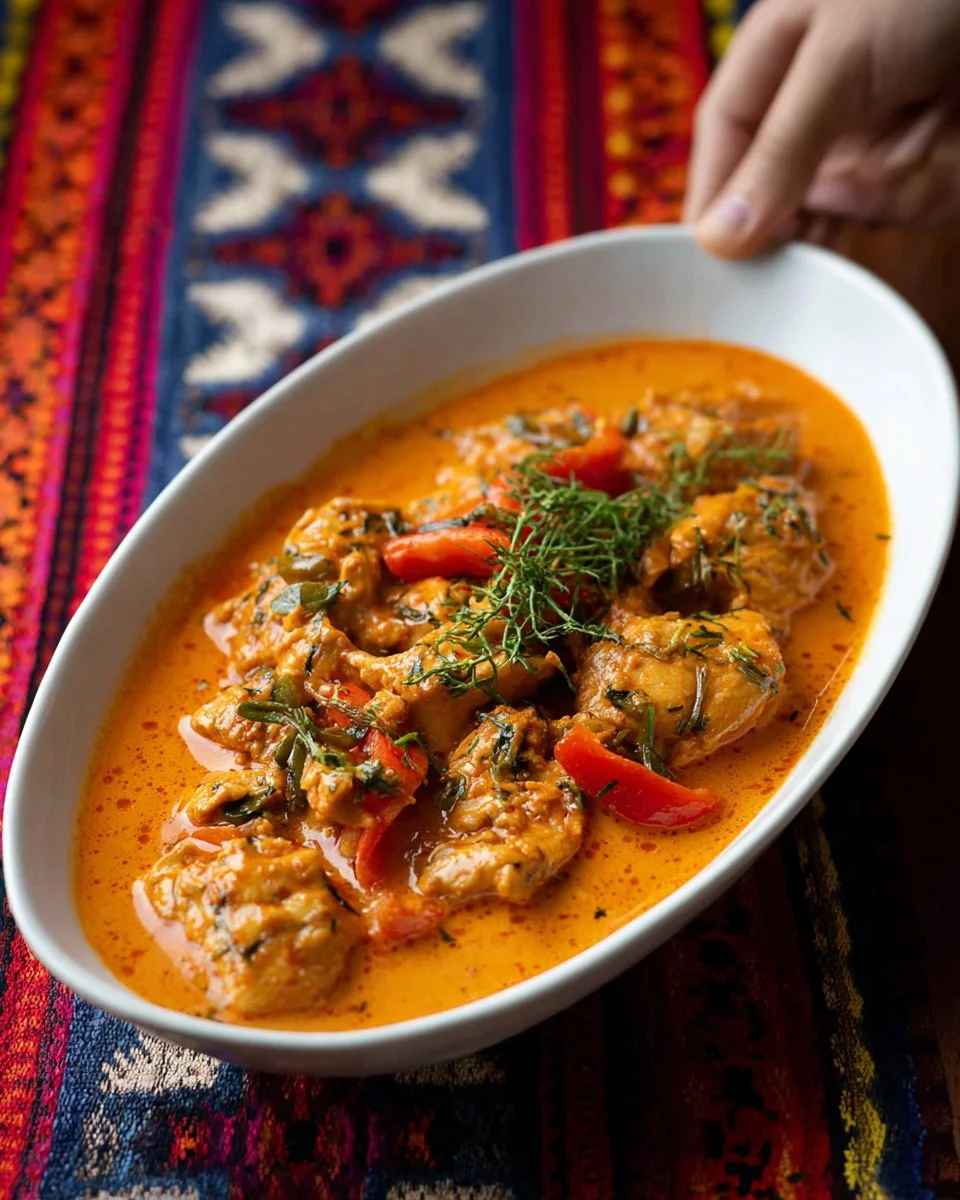
Plate and Serve: Garnish your curry with a bit of extra coconut milk and more torn lime leaves if desired. Serve alongside fluffy jasmine rice.
Chef’s Tips:
- Don’t skip the massage! It helps the flavors absorb into the pork.
- Keep an eye on the heat while reducing, as coconut milk can burn easily.
Common Mistakes to Avoid
- Overcooking the pork can lead to toughness—aim for a slight pink in the center.
- Not tasting as you go can result in a dish lacking balance.
Expert Tips & Tricks
Storage: Leftover curry can be stored in an airtight container in the refrigerator for up to 3 days. You can also freeze it for up to 3 months.
Make-Ahead: You can prepare the curry paste in advance; just store it in the fridge until you’re ready to whip up the curry.
Troubleshooting: If the curry is too thick, add a splash of water or more coconut milk to reach your desired consistency.
Flavor Boost: For an extra layer, consider adding a splash of lime juice just before serving.
Garnishing: Fresh basil or cilantro provides a nice garnish and enhances presentation.
Serving Suggestions
Pair your Authentic Thai Panang Curry with fluffy jasmine rice to soak up all that rich sauce. A simple cucumber salad adds a refreshing crunch, perfectly balancing the creamy curry. Perfect for family gatherings, cozy date nights, or as a delightful dish for any potluck!
Variations & Substitutions
- Protein Swaps: Try using chicken, beef, or even tofu for a vegetarian option. Each protein brings its flavor.
- Spice Levels: For a spicy kick, add fresh Thai chilis to the curry paste or top it with chili oil before serving.
- Seasonal Additions: In summer, throw in some fresh zucchini or squash; in winter, consider hearty root vegetables like carrots and sweet potatoes.
Nutrition & Storage Info
- Prep Time: 10 minutes
- Cook Time: 30 minutes
- Total Time: 40 minutes
- Yield: 4 servings
- Estimated Calories: 350 calories per serving
- Storage: Room temperature for 1-2 hours, refrigerated for up to 3 days, or frozen for up to 3 months.
FAQ Section
Can I make Panang curry vegetarian?
Yes! Replace the pork with tofu or a mix of your favorite vegetables.What can I substitute for fish sauce?
You can use soy sauce or a mushroom-based sauce for a vegetarian alternative.How do I make it spicier?
Add a few chopped Thai bird chilis when cooking the curry paste.Is there a way to make this low-carb?
Yes, serve it over cauliflower rice instead of traditional rice.How can I make the curry paste?
You can prepare it from scratch following the homemade ingredients listed or use store-bought red curry paste and enhance it.Can I use coconut milk from a can?
Absolutely! Just make sure it’s full-fat for the best flavor.Can leftovers be reheated?
Yes, gently reheat over low heat on the stove or in the microwave, ensuring it doesn’t overcook.How do I make it gluten-free?
Ensure that all sauces used, including the fish sauce, are labeled gluten-free.How long does homemade curry paste last?
Homemade curry paste can last in the refrigerator for up to a week and can be frozen for longer storage.What should I serve with Panang curry?
Jasmine rice and a refreshing cucumber salad pair beautifully with this dish.
Conclusion
There you have it—the secrets to crafting an Authentic Thai Panang Curry that will leave your taste buds dancing! This recipe is not just about satisfying your hunger but rekindling memories and creating new ones with loved ones. I encourage you to try this recipe and share your experiences in the comments! Have you made any exciting variations or enjoyed it with different sides? Don’t forget to check out other delicious recipes on the blog that will keep your culinary adventures going strong. Happy cooking!

Authentic Thai Panang Curry
Ingredients
Method
- In a bowl, combine the sliced pork tenderloin with 1.5 tsp fish sauce and 2 tsp neutral oil. Massage it gently to ensure the flavors penetrate the meat.
- In a pan or wok over medium-high heat, add 0.75 cup of coconut milk. Allow it to reduce for about 5-7 minutes until it thickens and starts to shimmer.
- Stir in your 4 Tbsp of Panang curry paste into the thickened coconut milk. Cook for another 2-3 minutes until the oil begins to separate, infusing the milk with flavor.
- Add in 1.5 Tbsp of palm sugar and the torn makrut lime leaves. Continue to cook for another minute to meld the flavors together.
- Add the marinated pork to the pan and stir-fry until it’s mostly cooked through, about 3-5 minutes.
- Pour in the remaining 0.5 cup of coconut milk and stir to combine. If using, add the julienned red bell pepper for a pop of color and texture. Taste and adjust seasoning as needed.
- Garnish your curry with a bit of extra coconut milk and more torn lime leaves if desired. Serve alongside fluffy jasmine rice.