Discover the Ultimate Thai Curry Paste: A Chef Review That Will Change Your Cooking Game
Every time I step into my kitchen, I’m transported back to my grandmother’s home in Thailand, where the air was infused with the tantalizing scents of spices simmering together. It’s not just about the food; it’s about the love and tradition that comes with every dish. That’s why I’m thrilled to share my heartfelt review of The Best Thai Curry Paste: Reviewed by a Thai Chef. This isn’t just any old review; it dives deep into the essence of authentic Thai curry pastes, explored through the eyes of a chef who lives and breathes Thai cuisine.
So, what makes these curry pastes so special? They marry vibrant flavors with aromatic herbs that remind me of family gatherings and hearty meals shared. Unlike store-bought versions, these pastes are crafted with fresh ingredients and born from recipes passed down through generations. They elevate your home-cooked meals into something extraordinary, something that speaks of comfort and familiarity.
By the end of this post, you’ll not only know which curry paste will supercharge your cooking but also how to use them in your kitchen. Get ready to embark on a flavor journey that warms the heart and fills the belly!
What Are The Best Thai Curry Paste: Reviewed by a Thai Chef?
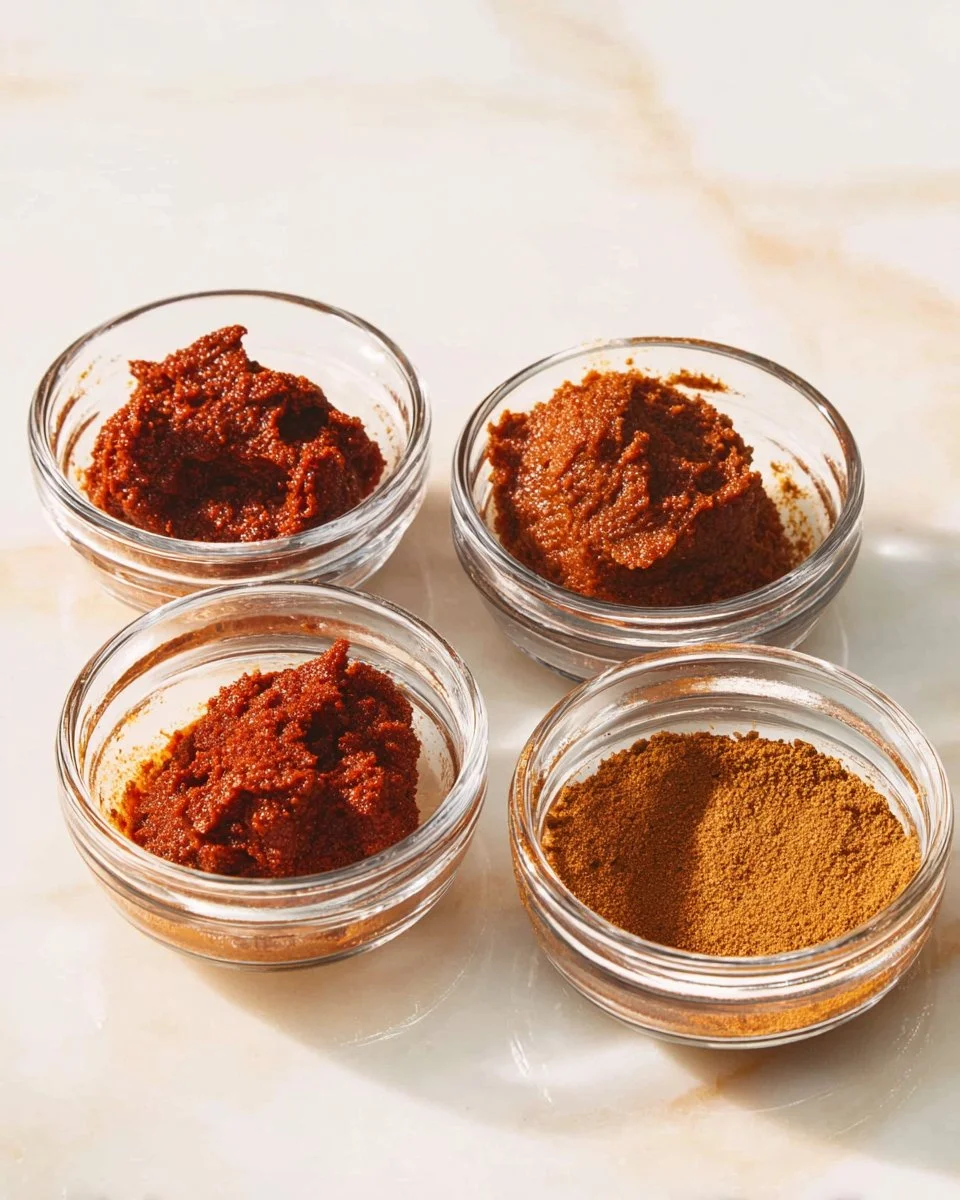
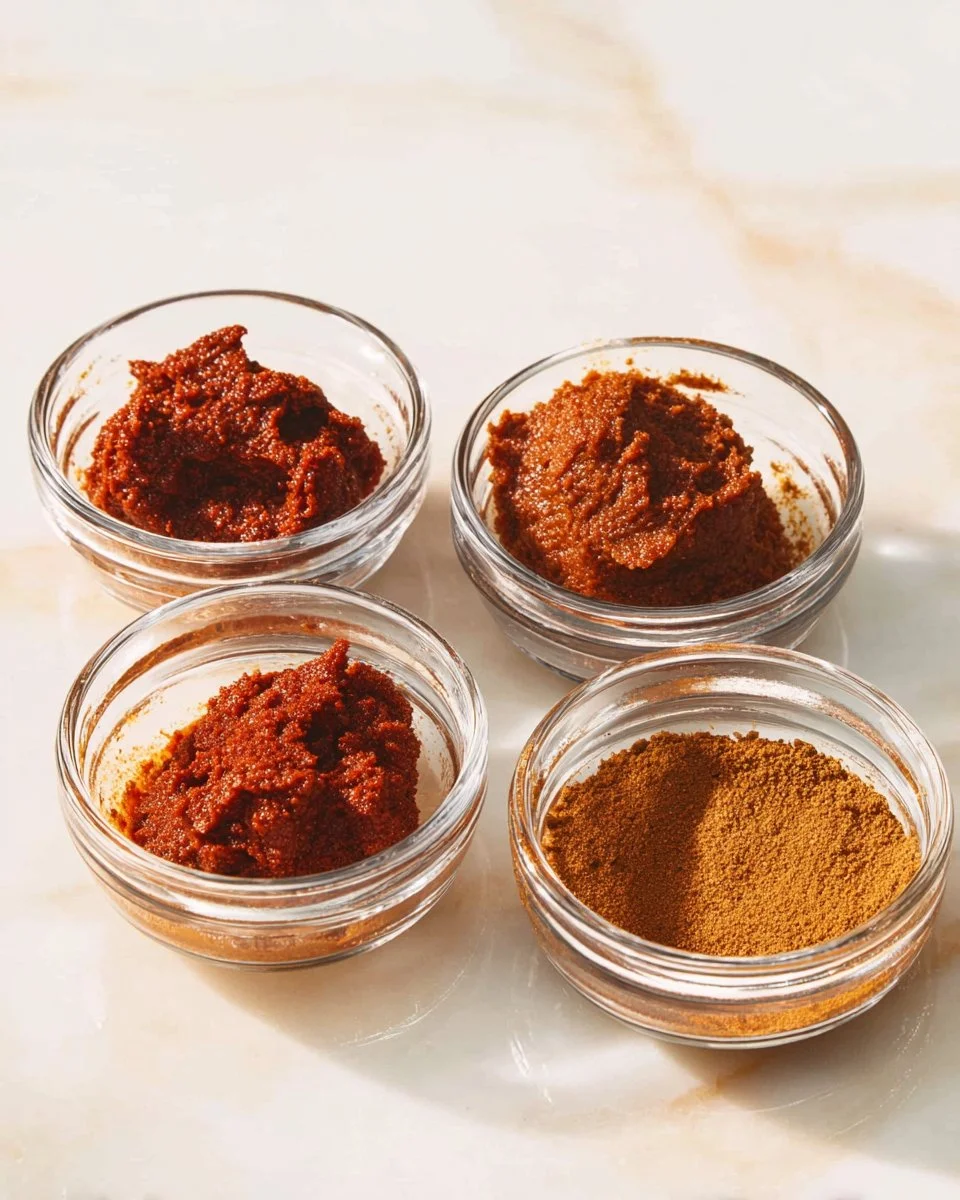
Thai curry paste has its roots in ancient cooking traditions, where fresh herbs and spices were pounded together to create a flavor base integral to Thai cuisine. There are many varieties, such as red, green, and yellow curry pastes, each showcasing unique flavor profiles. The texture is usually smooth, with a blend of ground chilies, lemongrass, galangal, and other aromatic ingredients.
What makes these pastes stand out is their authenticity. They capture the soul of Thailand and bring it to your home kitchen, allowing you to create restaurant-quality dishes with ease. You should make them when you’re craving that fiery but fragrant comfort, whether it’s a weeknight dinner or a special occasion.
Why You’ll Love This Recipe
Authenticity at Your Fingertips: These curry pastes are made with real ingredients that you can trust. Forget about the artificial flavors of mass-produced alternatives; you’re getting the real deal.
Cost-Effective Luxury: By making your curry paste at home, you save a bundle without sacrificing taste. Store-bought pastes can empty your wallet, but this recipe offers a wallet-friendly solution with flavors that far exceed pre-made jars.
Customization: Want it spicier? Add more chilies. Prefer it milder? Just adjust the ingredients or proportions. You have the freedom to tailor it to your palate, making every dish uniquely yours.
Easy to Make: Don’t be intimidated! With a little prep work, making your curry paste can be surprisingly straightforward. It only takes a bit of time and effort—think of it as a culinary workout!
Better Than Takeout: Why settle for takeout when you can recreate those sensational flavors at home? Impress your friends and family with a dish that rivals your favorite local Thai spot.
Ingredients
To create the best Thai curry paste, quality matters! Here’s what you’ll need:
- Dried Red Chilies (8-10): Use high-quality Thai chili or even Kashmiri chili for a vibrant color and mild spice.
- Shallots (2): Sweet and aromatic—they should be peeled and roughly chopped.
- Garlic (5 cloves): Fresh garlic adds a wonderful punch; use whole, unpeeled cloves for a deeper flavor.
- Galangal (1-inch piece): A cousin of ginger; it adds a citrusy, earthy aroma. You can substitute the dried version if fresh isn’t available.
- Lemongrass (2 stalks): Use the tender part, finely chopped for great flavor.
- Kaffir Lime Zest (1): The zest provides a bright, zesty note; don’t skip it!
- Coriander Root (1): Essential for depth of flavor—if unavailable, use the stems instead.
- Cumin Seeds (1 tsp): Toasted for a nutty flavor; use ground cumin if you’re in a pinch.
- Salt (1 tsp): To enhance all those flavors.
Prep Notes: Ensure your ingredients are at room temperature. Lemongrass and galangal should be trimmed and chopped before blending. For the best results, I recommend using a mortar and pestle if you have one; it’s worth the effort!
Step-by-Step Instructions
Prep Your Ingredients: Start by soaking the dried red chilies in hot water for about 15 minutes until they’re soft. This helps release their flavors.
Blend It Up: In a food processor, add the hydrated chilies, shallots, garlic, galangal, lemongrass, kaffir lime zest, coriander root, cumin seeds, and salt.
- Timing: Blend for about 2-3 minutes until a smooth paste forms. Scrape down the sides as needed!
Taste and Adjust: Give your paste a taste. Sometimes a pinch more salt or a little lime juice can elevate it further.
Storage: If you’re not using the paste right away, transfer it to an airtight container and store it in the fridge, or freeze it in ice cube trays for easy portioning.
Chef’s Tips
Mistake to Avoid: Don’t rush the blending process; a smooth texture will carry the flavors better.
Use a mortar and pestle: If you can, try using a mortar and pestle for an authentic feel. It really brings out the oils of the spices!
Expert Tips & Tricks
Quality of Ingredients: Always prioritize fresh, high-quality ingredients. Your curry paste will only be as good as the components you put in.
Storage Recommendations: Homemade curry paste can be stored in an airtight container in the fridge for up to two weeks or frozen for three months. Ensure there’s minimal air in the container to prevent freezer burn.
Make Ahead: You can prepare the paste ahead of time, saving time on busy weeknights. Just remember to label and date your containers!
Custom Heat Levels: Spice tolerance varies! Get to know your palate and adjust the chilies accordingly. Start with fewer chilies and add more as needed for your spice level.
Freeze for Later Use: Portion out the curry paste in an ice cube tray, freeze it, and then transfer to a zip-top bag. This makes it easy to pull out just what you need for future meals.
Serving Suggestions
Pair your homemade Thai curry paste with fragrant jasmine rice, crisp vegetable stir-fries, or creamy coconut curries. Garnish with fresh herbs like cilantro or Thai basil to brighten the dish. It’s perfect for family gatherings or cozy dinners—bring a taste of Thailand to your table!
Variations & Substitutions
- Green Curry Paste: Swap red chilies for green ones and add basil for that beautiful green color and herbal flavor.
- Vegetarian or Vegan Adaptations: Easily make this recipe vegan by replacing any animal-based sauces with soy sauce or coconut aminos.
- Seasonal Variations: Use seasonal vegetables in your curries, like pumpkin in the fall or fresh peas in the spring.
Nutrition & Storage Info
- Prep Time: 15 minutes
- Cook Time: No cooking required
- Total Time: 15 minutes
- Yield: About 1 cup of curry paste (~8 servings)
- Estimated Calories: 30 calories per tablespoon
- Storage Instructions: Refrigerate for up to 2 weeks; freeze for up to 3 months.
FAQ Section
Can I use fresh chilies instead of dried?
Yes, fresh chilies can be used, but adjust the quantity to taste as they vary in heat.How long does the paste last?
In the fridge, it lasts about two weeks. For longer storage, freezing is recommended.What can I substitute for galangal?
Fresh ginger can be used as a substitute, although it will alter the flavor slightly.Can I use pre-made spice blends instead?
While you can, making it fresh allows for a more flavorful and authentic result.Should I salt the paste?
Yes! Salt enhances flavors, but always taste before adding.Is this paste gluten-free?
Yes, as long as you ensure your soy sauce (if used) is gluten-free.How spicy is this curry paste?
Spice levels depend on the type and amount of chilies used. Start with fewer chilies if you are sensitive to spice.Can I use a blender instead of a food processor?
Absolutely! Just ensure you blend in batches if necessary to get a smooth paste.What dishes can I use this paste in?
Aside from curries, you can use it in soups, marinades, or even dips.How can I tell if my paste is no longer good?
If it smells sour or has developed an off color or texture, it’s best to discard it.
Conclusion
Creating The Best Thai Curry Paste: Reviewed by a Thai Chef in your own kitchen will not only fill your home with irresistible aromas but also add a personal touch that store-bought alternatives can’t match. I invite you to try this recipe and experience the difference for yourself. Your taste buds will thank you!
I’d love to hear about your culinary adventures with this dish! Share your thoughts in the comments below, and don’t forget to check out other related recipes on the blog to further ignite your love for Thai cuisine. Happy cooking!
Thai Curry Paste
Ingredients
Method
- Soak the dried red chilies in hot water for about 15 minutes until soft.
- In a food processor, combine the hydrated chilies, shallots, garlic, galangal, lemongrass, kaffir lime zest, coriander root, cumin seeds, and salt.
- Blend for about 2-3 minutes until a smooth paste forms, scraping down the sides as needed.
- Taste and adjust with additional salt or lime juice if desired.
- Transfer to an airtight container. Store in the fridge or freeze in ice cube trays for easy portioning.