Delightfully Delicious Thai Layered Coconut Pudding (Tako) – A Flavor Journey You Must Try!
Growing up, weekends were often filled with bustling markets, the aroma of street food wafting through the air, and the vibrant colors of Thai desserts tempting my taste buds. One treat that stole my heart was Thai Layered Coconut Pudding, or as we lovingly call it, Tako. This delightful dish is more than just a dessert; it’s a nostalgic gateway to my childhood, evoking memories of family gatherings and laughter.
What makes my version of Tako stand out? It’s all about balance—the tender, creamy coconut layers paired with the distinct flavors of pandan or water chestnuts. There’s also that hint of sweetness that whispers comfort with every bite. Many recipes miss the mark by skimping on the freshness of ingredients or the layering technique, which makes all the difference in texture and taste. This recipe, crafted with love and lots of trial and error, promises to bring you a slice of Thai paradise at home.
In this blog post, I will take you through the entire process, sharing my tips, tricks, and a few stories along the way. Get ready to impress your family and friends with this delightful Thai Layered Coconut Pudding (Tako) recipe that is sure to make your taste buds dance!
What Are Thai Layered Coconut Pudding (Tako)?
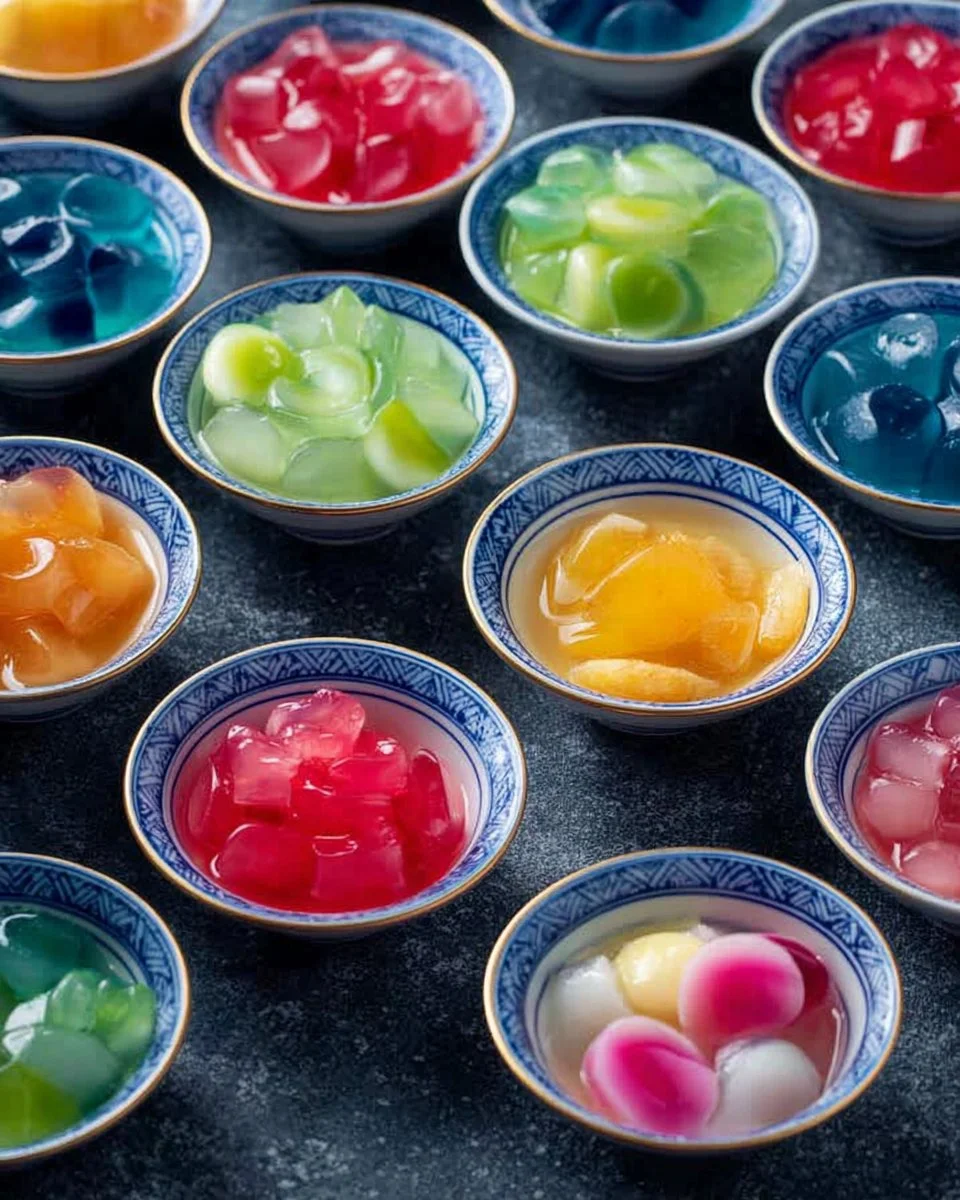
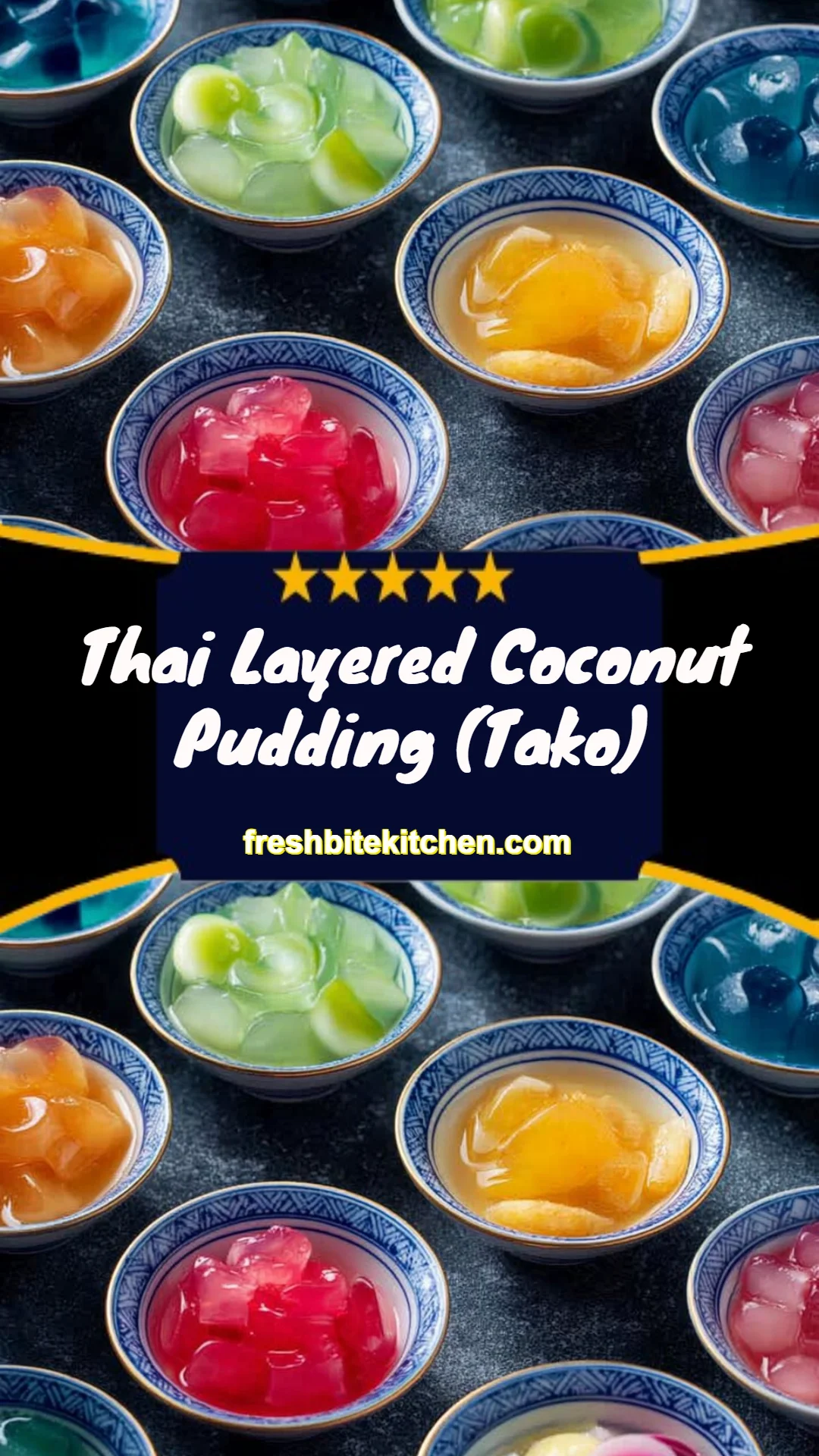
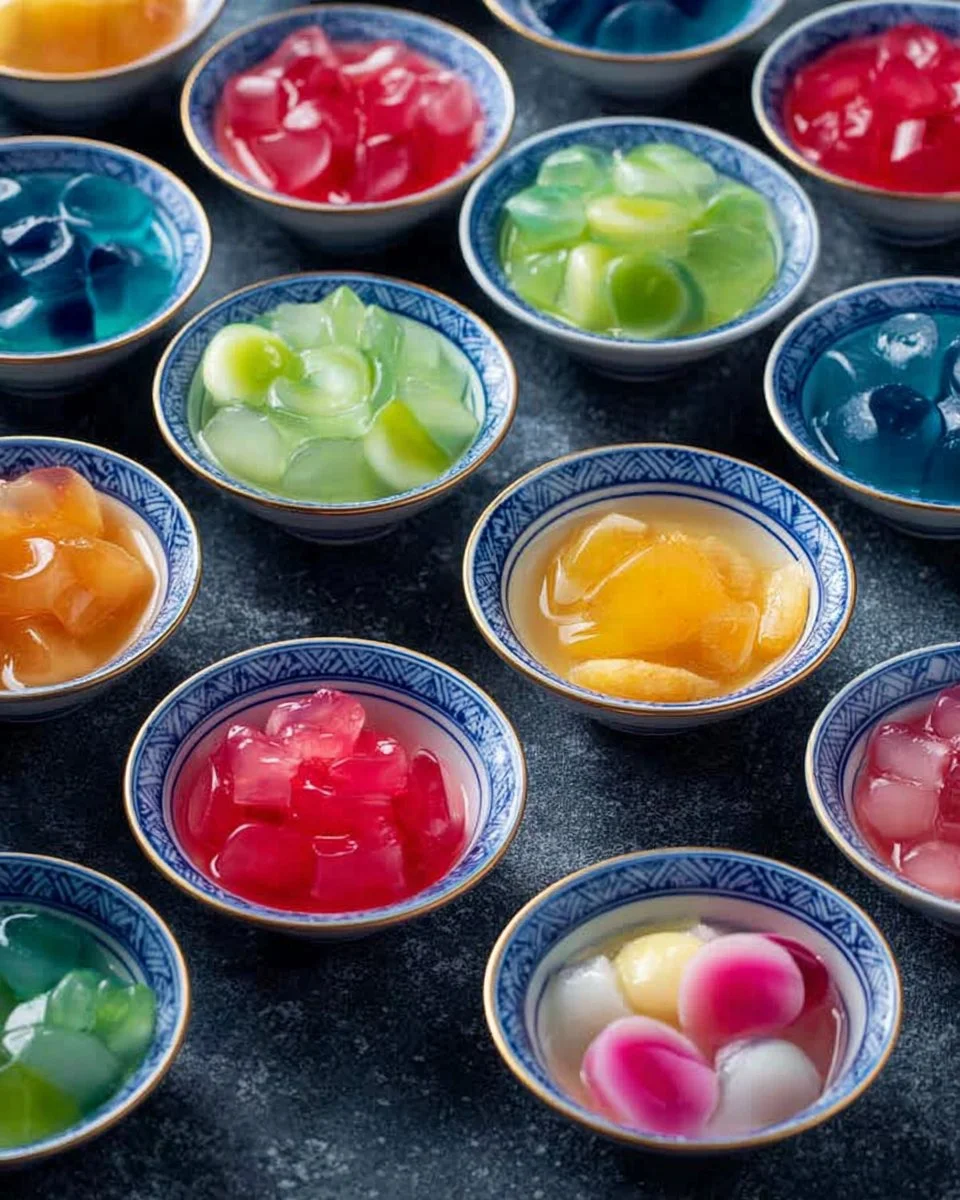
Thai Layered Coconut Pudding, known as Tako, traces its roots back to the rich culinary traditions of Thailand. Made primarily from coconut milk and rice flour, this treat provides a harmonious blend of flavors and textures. The dessert is typically made with two distinct layers: a smooth, rich coconut base that melts in your mouth, topped with a vibrant, often green, pandan-infused layer or a colorful layer of diced water chestnuts.
The taste is nothing short of heavenly; the sweet creaminess of the coconut contrasts beautifully with the chewy, slightly crunchy top layer. Whether you serve it during festive occasions or as a simple afternoon snack with tea, Tako can elevate any moment. It’s popular for family gatherings, and the best part? It’s deceptively simple to make at home!
Why You’ll Love This Recipe
Authentic Flavor at Home: Forget about pricey restaurant visits! You can create an authentic version of Thai Layered Coconut Pudding (Tako) that rivals your favorite Thai café’s creation—if not better!
Cost-Effective: This recipe allows you to indulge in a premium dessert without breaking the bank. The ingredients are common pantry staples, making it budget-friendly.
Customization Options: I adore recipes that allow for creativity! You can experiment with flavors—opt for classic pandan, or try the vivid red beet for a water chestnut variant. Adapt the recipe for dietary restrictions, like gluten-free or vegan.
Easy for Home Cooks: Even if you’re a kitchen novice, this recipe is straightforward. You’ll have the chance to impress your friends and family with a dessert that looks as good as it tastes.
Make Ahead and Store: Perfect for meal prep or hosting—make your Tako ahead of time and store it for later. It stays fresh in the fridge, ready to be devoured!
Ingredients
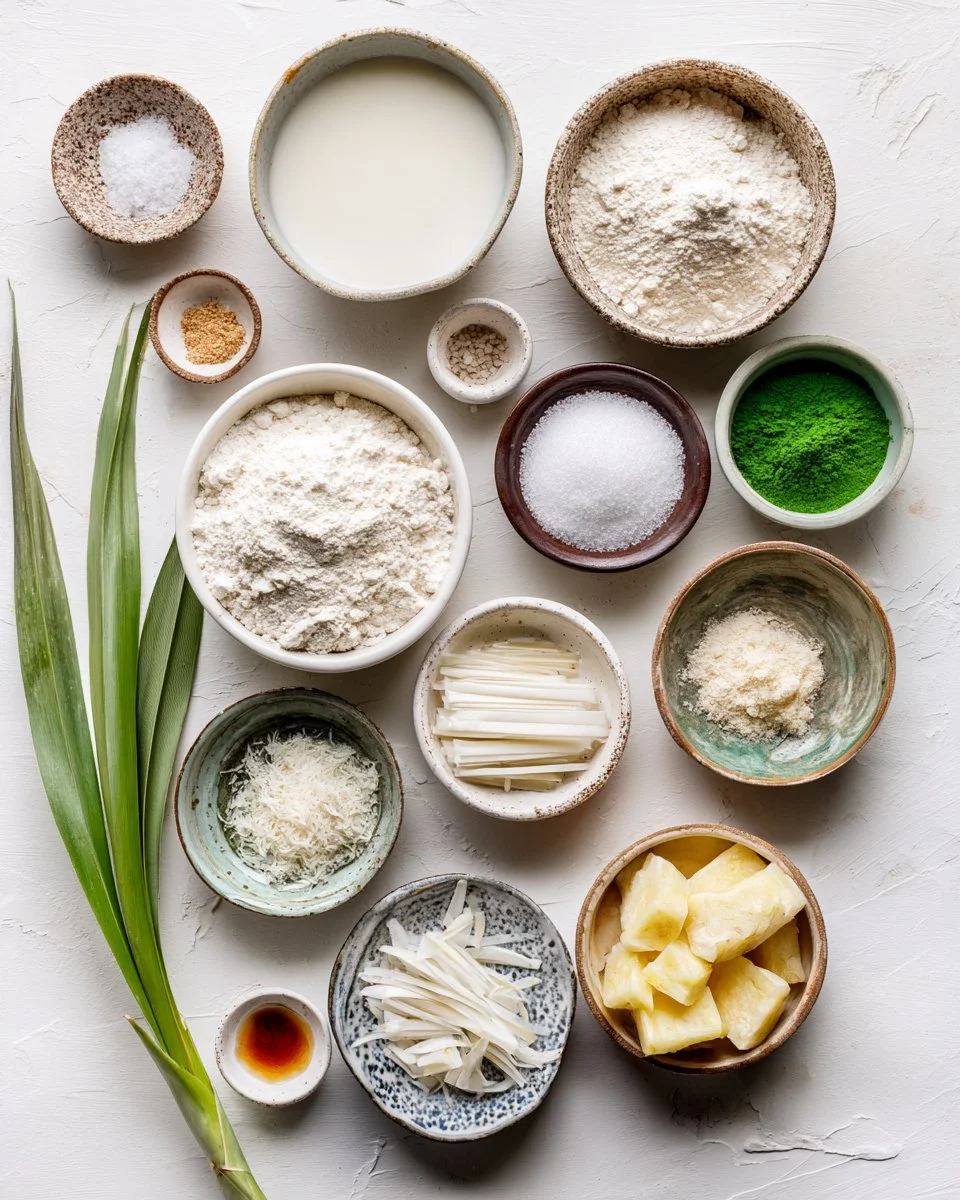
Let’s dive into the ingredients you’ll need for this delightful Thai Layered Coconut Pudding (Tako). Remember, quality matters, and fresh ingredients will elevate your dish to the next level.
Base Layer
- 1.5 oz rice flour (about 1/3 cup + 2 Tbsp): Essential for that authentic texture.
- 1/2 cup water: To bring the rice flour together.
- 1 1/2 cups coconut milk: The star of the show—creamy and rich!
- 1/4 cup granulated sugar: For sweetness.
- 3/4 teaspoon table salt: To balance the flavors.
Optional Toppings
For Green Pandan Option:
- 1 pandan leaf: For natural flavor and color (recommended for freshness).
- Few drops green food coloring (optional): If you want a vibrant hue.
- 3 tablespoons mung bean starch: To thicken the pandan layer.
- 1 tablespoon tapioca starch: For chewiness.
- 1/3 cup sugar: For sweetness.
- 3/4 cup julienned young coconut meat: Adds texture.
For Red Water Chestnut Option:
- 1 1/4 cups water: For extracting color.
- A quarter of a beet (or red food coloring): Color and flavor source.
- 1/4 teaspoon jasmine or coconut extract (optional): For added flavor.
- 1 cup cooked/canned water chestnuts, diced: For a delightful crunch.
For Golden Pineapple Option:
- 1 1/4 cups coconut water: Super hydrating!
- 1/4 teaspoon edible gold dust (optional): For that extra sparkle.
- 1 cup canned pineapple rings, cut into small pieces: A tropical twist!
Prep Notes
- Remember to keep your coconut milk at room temperature for easy mixing.
- For substitutions—if you can’t find pandan leaves, extract or essence works.
Step-by-Step Instructions
Ready to make your own Thai Layered Coconut Pudding (Tako)? Here’s a detailed breakdown for the process:
Prepare containers: Grab small cups or a larger dish, and set them out for your Tako.
Make the base layer:
- In a pot, combine 1.5 oz rice flour with 1/2 cup water.
- Slowly mix in 1 1/2 cups coconut milk, 1/4 cup sugar, and 3/4 teaspoon salt.
- Cook this mixture over medium heat, stirring continuously until it thickens (about 5 to 8 minutes). The mixture should be creamy and coat the back of a spoon.
Pour and cool: Carefully pour the coconut pudding into your prepared containers, filling them halfway. Set aside to cool.
Prepare the top layer:
- For the green pandan option, blend 1 pandan leaf with a bit of water, strain it, and mix it into a new pot. Add 3 tablespoons mung bean starch, 1 tablespoon tapioca starch, and 1/3 cup sugar. Cook until thickened.
- For the red water chestnut, extract the color from the beet in 1 1/4 cups water. Mix in your starches, and add diced water chestnuts before cooking until thick.
- For the golden pineapple, mix 1 1/4 cups coconut water with your starches and sugar, then cook with pineapple until thickened.
Layering: Once your base layer has cooled, pour the topping over it gently, ensuring it creates a smooth layer. Let cool completely before serving.
Chef’s Tips
- Avoid rushing the cooking process; patience will yield the best texture.
- Common mistake: Don’t skip cooling the layers! It’s crucial for distinct layers.
Expert Tips & Tricks
Storage: Store any leftovers in the fridge for up to 3 days. They taste even better the next day as the flavors meld!
Make-Ahead: This dessert is fantastic for meal prepping. Make it a day in advance and enjoy!
Troubleshooting: If your layers aren’t setting properly, ensure you’re cooking until thick. If it still fails, increase your starch slightly next time.
Room Temperature Ingredients: Ensure all ingredients are at room temperature for better blending and consistency.
Experiment: Feel free to play with flavors. Different fruits or extracts can provide unique twists!
Serving Suggestions
Serve your beautiful Thai Layered Coconut Pudding (Tako) as a standalone dessert, or pair it with a refreshing herbal tea for a complete experience. Presentation matters—arrange them on a lovely platter and sprinkle with toasted coconut or edible flowers for that extra flair. These puddings are perfect for serving at parties, family gatherings, or as an elegant dinner party treat!
Variations & Substitutions
- Flavor Combinations: Play around with different flavors like mango or matcha if you want to step outside of traditional options.
- Dietary Adjustments: Swap coconut milk for almond milk for a lighter option. You could also use agave syrup instead of sugar for a healthier twist.
- Seasonal Ideas: For a festive touch during the holidays, incorporate seasonal fruits like pumpkin or use colored layers for festive occasions!
Nutrition & Storage Info
- Prep Time: 30 minutes
- Cook Time: 20 minutes
- Total Time: 50 minutes
- Yield: About 8 servings
- Calories: Approximately 150 per serving
- Storage: Keep in an airtight container in the fridge for up to 3 days. Do not freeze, as the texture may change.
FAQ Section
Can I use fresh coconut?
Yes, using fresh grated coconut will enhance the flavor and texture!
What if I can’t find pandan leaves?
You can use pandan extract or essence as a substitute.
How do I know when the layers are done?
The mixture should thicken and coat the back of a spoon.
Can I make this vegan?
Absolutely! Just ensure all ingredients are plant-based.
Why does my pudding turn out too thick?
You may have used too much starch; ensure you follow the measurements closely.
How can I make it less sweet?
Simply reduce the sugar quantity in the recipe. Taste as you go!
Can I double the recipe?
Yes, just adjust your cooking times accordingly.
How do I get vibrant colors for the layers?
Use natural food dyes or fresh fruit purees combined with clear liquids for an eye-catching look.
Is this dish gluten-free?
Yes, if you use gluten-free rice flour!
Can I freeze leftovers?
I recommend against it, as freezing can alter the texture of the pudding. It’s best enjoyed fresh!
Conclusion
Creating your very own Thai Layered Coconut Pudding (Tako) not only brings a taste of Thailand to your home but also reconnects you with beautiful memories of family and warmth. I encourage you to try making this delightful treat—you won’t be disappointed! I would love to hear your thoughts or any questions you may have as you embark on this culinary adventure. Don’t forget to check out my other favorite recipes on the blog for more sweet delights that will bring a smile to your face! Happy cooking!
Thai Layered Coconut Pudding (Tako)
Ingredients
Method
- Prepare containers: Grab small cups or a larger dish, and set them out for your Tako.
- In a pot, combine 1.5 oz rice flour with 1/2 cup water.
- Slowly mix in 1 1/2 cups coconut milk, 1/4 cup sugar, and 3/4 teaspoon salt.
- Cook this mixture over medium heat, stirring continuously until it thickens (about 5 to 8 minutes). The mixture should be creamy and coat the back of a spoon.
- Carefully pour the coconut pudding into your prepared containers, filling them halfway. Set aside to cool.
- For the green pandan option, blend 1 pandan leaf with a bit of water, strain it, and mix it into a new pot. Add 3 tablespoons mung bean starch, 1 tablespoon tapioca starch, and 1/3 cup sugar. Cook until thickened.
- For the red water chestnut, extract the color from the beet in 1 1/4 cups water. Mix in your starches, and add diced water chestnuts before cooking until thick.
- For the golden pineapple, mix 1 1/4 cups coconut water with your starches and sugar, then cook with pineapple until thickened.
- Once your base layer has cooled, pour the topping over it gently, ensuring it creates a smooth layer. Let cool completely before serving.