Discover the Heartwarming Delight of Thai Pork Bone Noodle Soup
Imagine a cozy kitchen filled with the inviting aroma of simmering broth, as you gather around the table with your loved ones. That’s exactly the scene I remember from childhood—my mother standing over the stove, her hands deftly transforming simple ingredients into a stunning bowl of Thai Pork Bone Noodle Soup. This dish isn’t just a meal; it’s a heartfelt connection to family gatherings, laughter, and the comforting embrace of home-cooked goodness.
What makes this Thai Pork Bone Noodle Soup truly special is its rich, flavorful broth, crafted with tender pork bones that yield a deep, satisfying umami taste. It’s a dish that speaks to the heart, wrapping you in warmth with every spoonful. Unlike many recipes you might find online, my twist on this classic not only brings out the savory depths but also allows for personal touches that elevate it beyond takeout or store-bought versions.
Join me in creating a dish that encapsulates comfort food, generosity, and family memories. In this guide, you’ll learn how to make your very own Thai Pork Bone Noodle Soup from scratch, with all the tips and tricks to ensure your first attempt will feel like an age-old family recipe!
What Are Thai Pork Bone Noodle Soups?
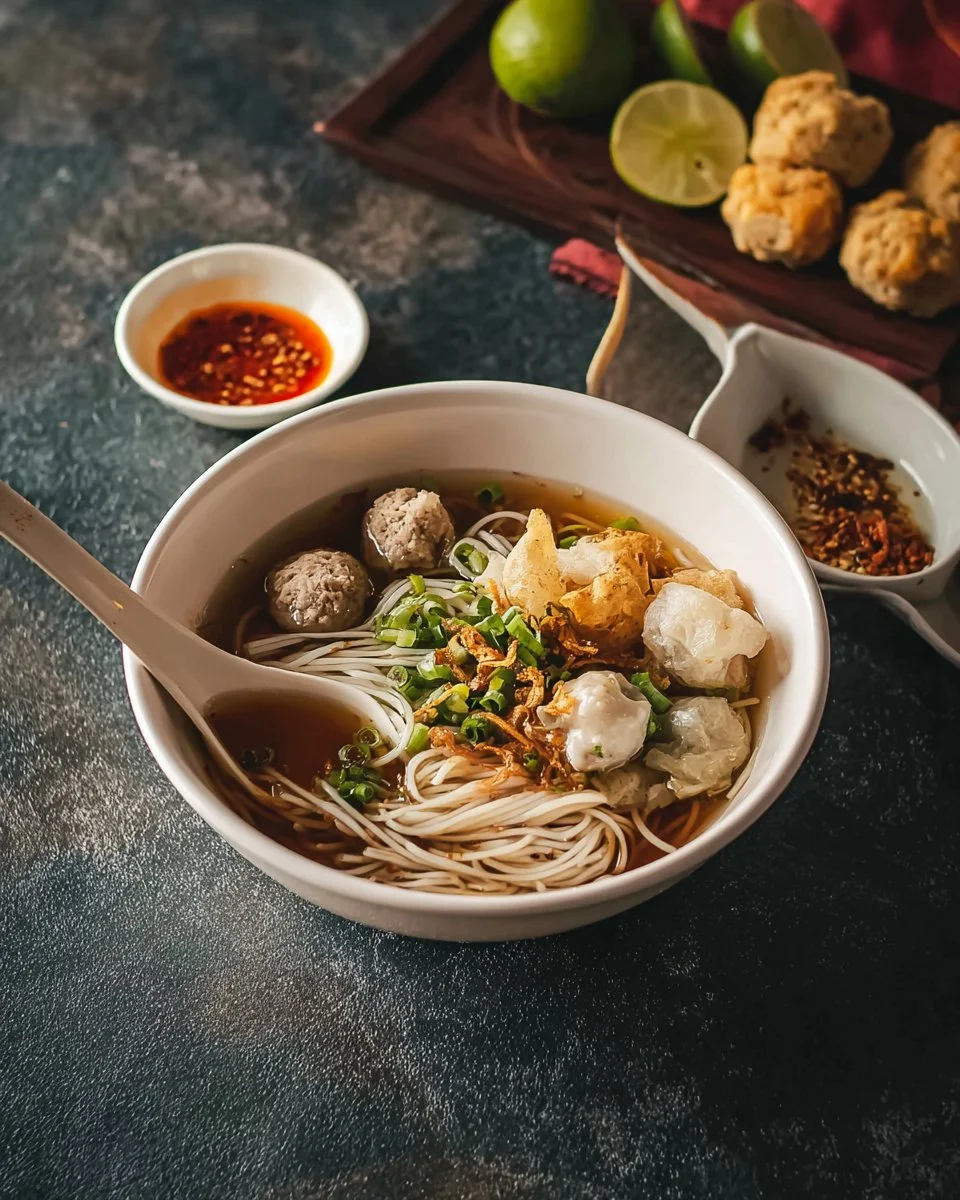
Thai Pork Bone Noodle Soup, known in Thailand as “Guay Tiew Moo”, elegantly showcases the flavors of Thai cuisine through hearty, comforting ingredients. This beloved dish evolved from necessity—local cooks and families would simmer pork bones for hours to create a stock so rich that it was perfect for dipping rice vermicelli noodles.
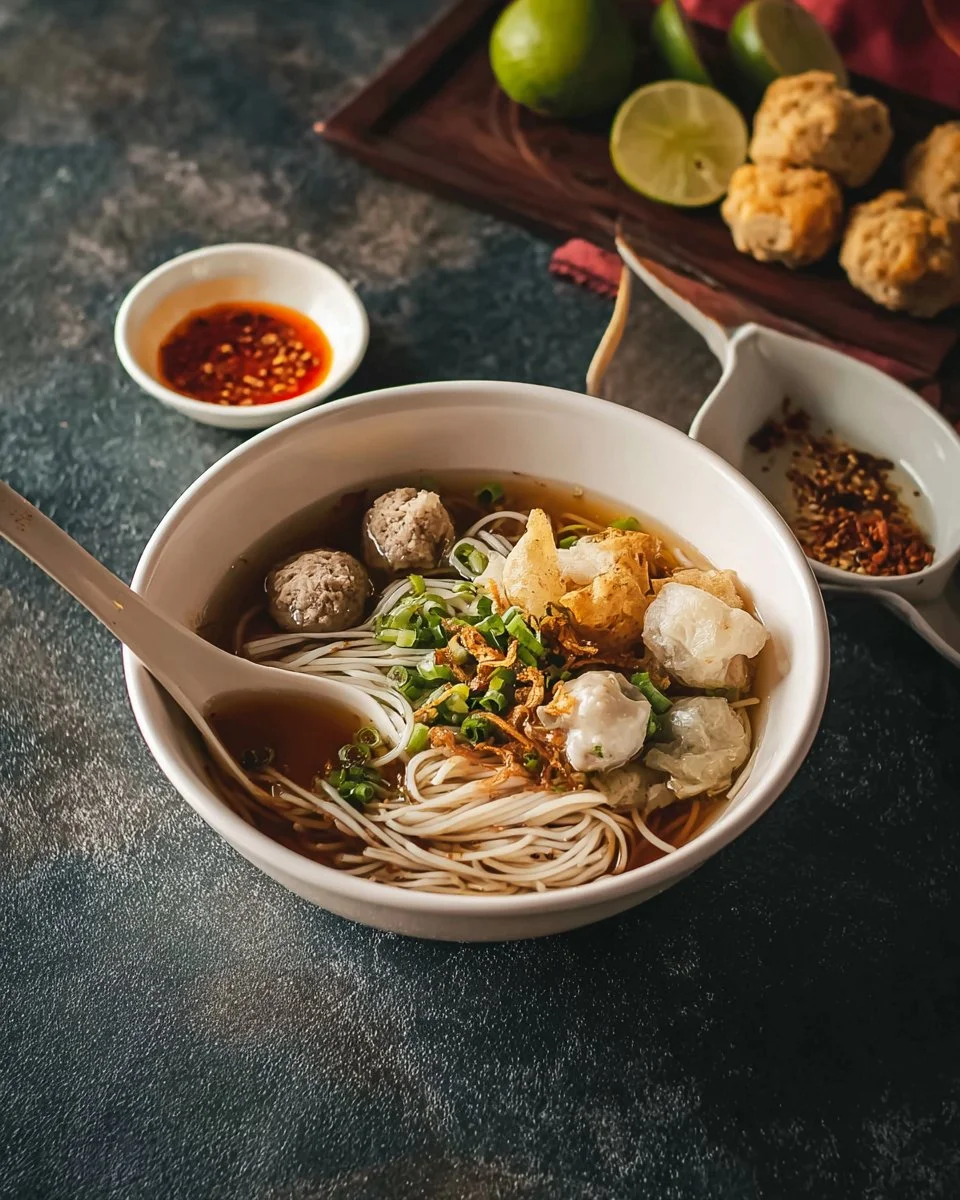
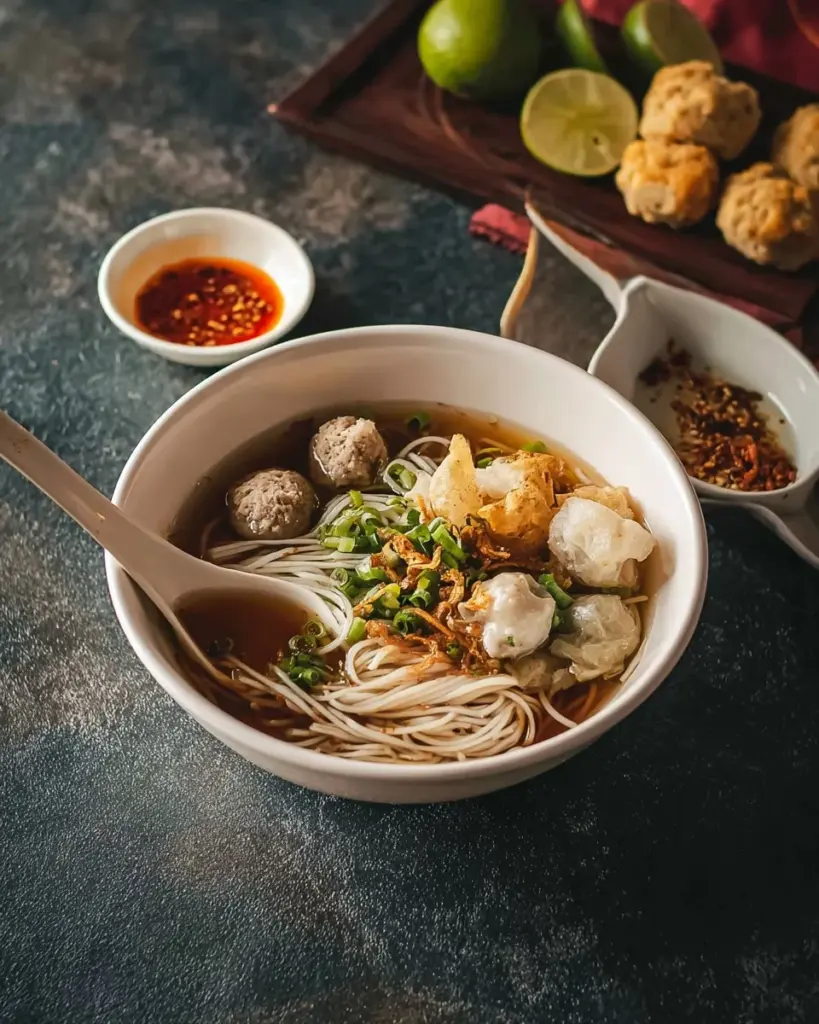
The taste is a delightful marriage of flavors: the savory notes of the pork combine with the subtle sweetness of daikon and a hint of garlic, creating a fragrant liquid gold that blankets the noodles perfectly. Each bite is a delightful combination of the tender noodles, succulent fish balls, and the crunch of fresh bean sprouts, offering a pleasing texture that’s both slurpable and satisfying.
Whether you’re looking to warm up on a chilly day, impress guests at a dinner party, or simply enjoy a nostalgic meal, this Thai Pork Bone Noodle Soup is the perfect choice. It’s versatile enough for everyday dining yet special enough for celebrations or gatherings.
Why You’ll Love This Recipe
Unique Flavors: This Thai Pork Bone Noodle Soup recipe allows the natural flavors of the pork to shine, with layers of taste from the aromatic ingredients like ginger, cilantro, and garlic. Unlike average restaurant versions that might use stock cubes or artificial flavors, this recipe honors the tradition of cooking from scratch.
Cost-Effective: Preparing this soup at home is not only fun but also budget-friendly! By using inexpensive cuts of pork and simple ingredients, you can create a dish that serves many for a fraction of the cost of takeout.
Customizable: One of the best aspects of this recipe is its versatility. You can load your bowl with extra vegetables like bok choy, adjust the spice level to your liking, and even replace pork with chicken or tofu for other dietary preferences.
Easy to Make: While it might look impressive, you’ll find that this recipe has simple steps that make it accessible for home cooks at any skill level. The hardest part? Waiting for that rich aroma to fill your kitchen!
Meal Prep Friendly: This soup makes for great leftovers! The flavor only intensifies over time, and it freezes wonderfully—making it a perfect meal prep option for those busy weeknights.

Ingredients
To make a delicious Thai Pork Bone Noodle Soup, gather the following ingredients:
- 2 lb pork neck bones or back bones (or chicken bones)
- 3.5 L water
- 4-inch piece daikon, peeled and large diced
- 1 medium onion, large diced
- 5 cloves garlic, smashed
- 3 cilantro roots or 8 cilantro stems, smashed gently
- 4.5 cups Thai style pork stock (store-bought or homemade)
- 2 Tablespoons soy sauce
- 1 Tablespoon fish sauce
- 1.5 teaspoon sugar
- Ground white pepper, to taste
- 8 oz Thai rice vermicelli noodles (or other noodles)
- 8 oz Asian style fish cakes and fish balls
- 2 cups bean sprouts
- Fried garlic and garlic oil for topping
- Chopped cilantro and/or green onions for garnish
- Tang chai (optional)
- Chili vinegar, fish sauce, sugar, roasted chili flakes (optional, for spice)
- 1 Lime (optional, for tom yum style)
Quality & Preparation Notes:
- Pork Bones: Opt for fresh, high-quality bones from a reputable butcher for the best flavor.
- Daikon: This root adds a sweet and mild note that develops during cooking; don’t skip it!
- Noodles: Thai rice vermicelli works perfectly for this dish, though feel free to use your favorite noodle type.
Tips: Bring everything to room temperature before starting to ensure even cooking!
Step-by-Step Instructions
Prepare the Stock: Wash the bones in cold water. Add them to a large stock pot, covering them with room temperature water. Bring to a simmer over high heat. Once simmering, reduce the heat to medium and skim off any scum that surfaces after 30 minutes.
Flavor the Stock: Add the chopped daikon, onion, cilantro root or stems, garlic, and season with ground white pepper. Allow this to gently simmer for at least 1 hour. Keep topping up with water as needed, ensuring the bones remain submerged.
Strain and Store: After simmering, carefully remove the bones from the pot. Use a fine mesh strainer to strain out the cooked vegetables. The stock can be refrigerated for a week or frozen for future use.
Prepare the Noodles: For the Thai rice vermicelli, soak them in room temperature water for 5-10 minutes until they’re pliable. If you’re using a different type of noodle, adjust the soaking time based on the package instructions.
Cook the Fish Balls: In a separate pot, bring 4.5 cups of the pork stock to a boil. Stir in soy sauce, fish sauce, sugar, and ground white pepper, then add the fish balls, cooking until heated through.
Finish Cooking the Noodles: Boil a large pot of water. Dip a portion of soaked noodles and a handful of bean sprouts into the boiling water for just 3 seconds. Remove them and place in a serving bowl. Repeat this step until all portions are cooked.
Assemble the Soup: Ladle the flavorful broth over the noodles and fish balls in each bowl. Top with fried garlic, garlic oil, tang chai, and finish with a sprinkle of cilantro or green onions.
Optional Spicy Touch: For a Tom Yum twist, add roasted chili flakes and lime juice to taste. Serve immediately with desired condiments on the side.
Chef’s Tips:
- Always wash your bones, as this helps limit impurities in your broth!
- For a deeper flavor, the longer you simmer your broth, the better! Aim for at least 2 hours if time allows.
- Avoid overcooking your noodles; they should be just tender to the bite.
Expert Tips & Tricks
Storing Your Soup: Let the soup cool completely before storing it in an airtight container. It will last about a week in the fridge, and flavors intensify over time!
Make-Ahead Instructions: You can prep the stock a day in advance, which allows the flavors to develop more depth, leaving you just to cook the noodles and assemble when ready to serve.
Troubleshooting: If your broth is too greasy, skim off excess fat after cooling. If it’s too salty, add diced potatoes when boiling to absorb some of the excess salt.
Adjusting Flavor: Tinker with the amount of soy sauce and fish sauce to suit your taste preferences! Some like it sweeter; others prefer a saltier broth.
Substitutions and Adaptations: For a vegetarian option, substitute the pork bones with a vegetable stock and toss in some tofu or mushrooms for added texture.
Serving Sauces: Offer a selection of condiments like chili vinegar or additional lime wedges for guests to customize their bowls.
Serving Suggestions
Pair your delightful Thai Pork Bone Noodle Soup with a side of crunchy spring rolls or a light salad to balance the richness of the broth. For presentation, consider garnishing with lime wedges and sprigs of fresh cilantro, which not only adds color but enhances the aroma, making the meal even more inviting.
This soup is perfect for cozy weeknight dinners, casual lunch gatherings, or even a festive family reunion.
Variations & Substitutions
- Spicy: Feeling brave? Add fresh jalapeños or a squeeze of sriracha to liven things up.
- Seafood Twist: Substitute fish balls with shrimp or scallops for a seafood-inspired bowl.
- Vegan Delight: Swap the pork bones with a rich vegetable broth and use vegan fish cakes or tempeh for protein.
Adaptations make this soup flexible to personal taste and dietary needs, ensuring there’s something for everyone!
Nutrition & Storage Info
- Prep Time: 30 minutes
- Cook Time: 2 hours
- Total Time: 2.5 hours
- Yield: Serves 6-8
- Estimated Calories: Approximately 350 per serving
- Storage Instructions: Keep in the fridge for up to a week; can freeze for up to 3 months.
FAQ Section
Can I make this soup ahead of time?
- Absolutely! You can prepare the broth in advance and store it in the fridge or freezer.
What can I do if my broth is too salty?
- Adding diced potatoes can help absorb excess salt; cook until tender and remove them before serving.
Can I use chicken bones instead of pork?
- Yes, chicken bones will work beautifully, although the flavor will be slightly different.
What if I don’t have daikon?
- You can substitute carrots or turnips if you’re in a pinch!
Is this recipe gluten-free?
- To make it gluten-free, use tamari instead of soy sauce.
Can I use a different type of noodle?
- Absolutely! Feel free to experiment with other types of Asian noodles, just check the cooking times.
What can I pair this soup with?
- Spring rolls, fresh salads, or even spiced fried tofu make excellent accompaniments.
Can I skip the fish in this dish?
- Yes, feel free to leave out the fish balls for a simpler version!
Is the soup kid-friendly?
- Definitely! You can adjust the spice level to keep it mild for younger palates.
How can I make this soup more filling?
- Add in extra vegetables like bok choy, mushrooms, or even some boiled eggs for more substance.
Conclusion
This Thai Pork Bone Noodle Soup is more than just a meal; it’s an expression of love, warmth, and family tradition. I encourage you to try making this comforting dish and taste the love in every bite. I’d love to hear how yours turns out—drop a comment or share your photos! If you enjoyed this recipe, make sure to check out my other comforting recipes available on the blog, like my Spicy Garlic Noodles or Homemade Spring Rolls!
Happy cooking!
Thai Pork Bone Noodle Soup
Ingredients
Method
- Wash the bones in cold water. Add them to a large stock pot, covering them with room temperature water. Bring to a simmer over high heat. Once simmering, reduce the heat to medium and skim off any scum that surfaces after 30 minutes.
- Add the chopped daikon, onion, cilantro root or stems, garlic, and season with ground white pepper. Allow this to gently simmer for at least 1 hour. Keep topping up with water as needed, ensuring the bones remain submerged.
- After simmering, carefully remove the bones from the pot. Use a fine mesh strainer to strain out the cooked vegetables. The stock can be refrigerated for a week or frozen for future use.
- For the Thai rice vermicelli, soak them in room temperature water for 5-10 minutes until they’re pliable. If you’re using a different type of noodle, adjust the soaking time based on the package instructions.
- In a separate pot, bring 4.5 cups of the pork stock to a boil. Stir in soy sauce, fish sauce, sugar, and ground white pepper, then add the fish balls, cooking until heated through.
- Boil a large pot of water. Dip a portion of soaked noodles and a handful of bean sprouts into the boiling water for just 3 seconds. Remove them and place in a serving bowl. Repeat this step until all portions are cooked.
- Ladle the flavorful broth over the noodles and fish balls in each bowl. Top with fried garlic, garlic oil, tang chai, and finish with a sprinkle of cilantro or green onions.
- For a Tom Yum twist, add roasted chili flakes and lime juice to taste. Serve immediately with desired condiments on the side.