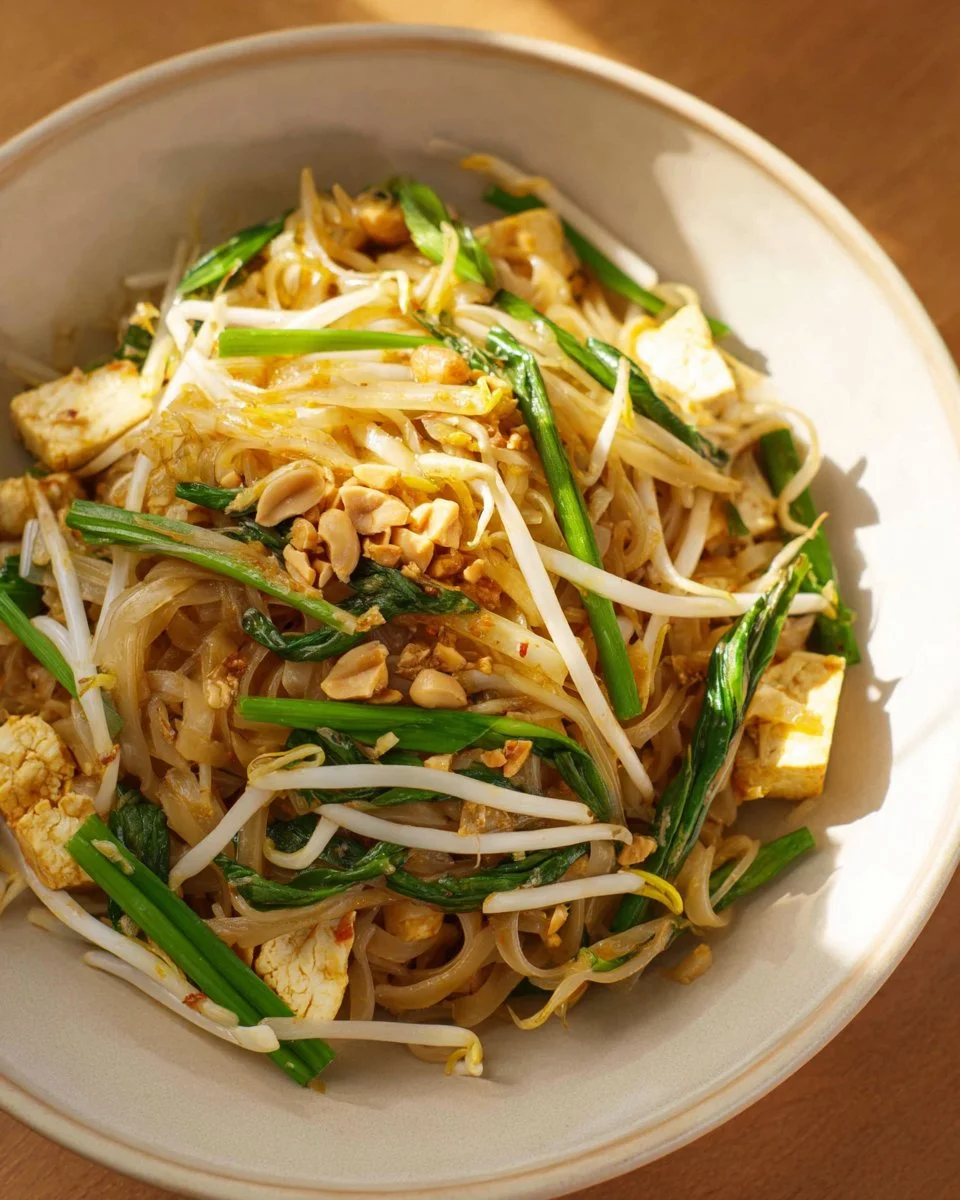
Irresistibly Delicious Vegan Pad Thai: Your Next Go-To Comfort Food
Growing up, one of my most cherished family traditions was our weekly “noodle night.” Every Saturday, my mom would whip up delicious bowls of pad Thai, filling the kitchen with the most mouthwatering aromas. Today, I want to share with you my version of this iconic dish—Vegan Pad Thai. Not only is it a delightful feast for the senses with its tangy sauce and crispy textures, but it also brings a warm nostalgia that always feels like a hug from the inside.
So, what makes this Vegan Pad Thai extra special? Unlike many store-bought or restaurant versions that can be heavy on oils or loaded with unexpected animal products, this recipe embraces vibrant vegetables, plant-based proteins, and wholesome ingredients that nourish the body. It’s simple, yet bursting with flavor, making it perfect for a weeknight dinner or a fun gathering with friends. Plus, it’s cost-effective!
In this post, you’ll learn exactly how to make a creamy, velvety sauce that clings to perfectly cooked noodles, plus I’ll share tips to customize it based on your taste and seasonal ingredients. Get ready to revive your taste buds and ignite fond memories of noodle nights!
What Are Vegan Pad Thai?
Vegan Pad Thai is a twist on the traditional Thai dish that has been enjoyed around the world. Its origin can be traced back to the streets of Thailand, where it was created as a staple street food. The dish typically features flavorful stir-fried rice noodles, a medley of vegetables, and a protein source, garnished with crushed peanuts and a sprinkle of lime.
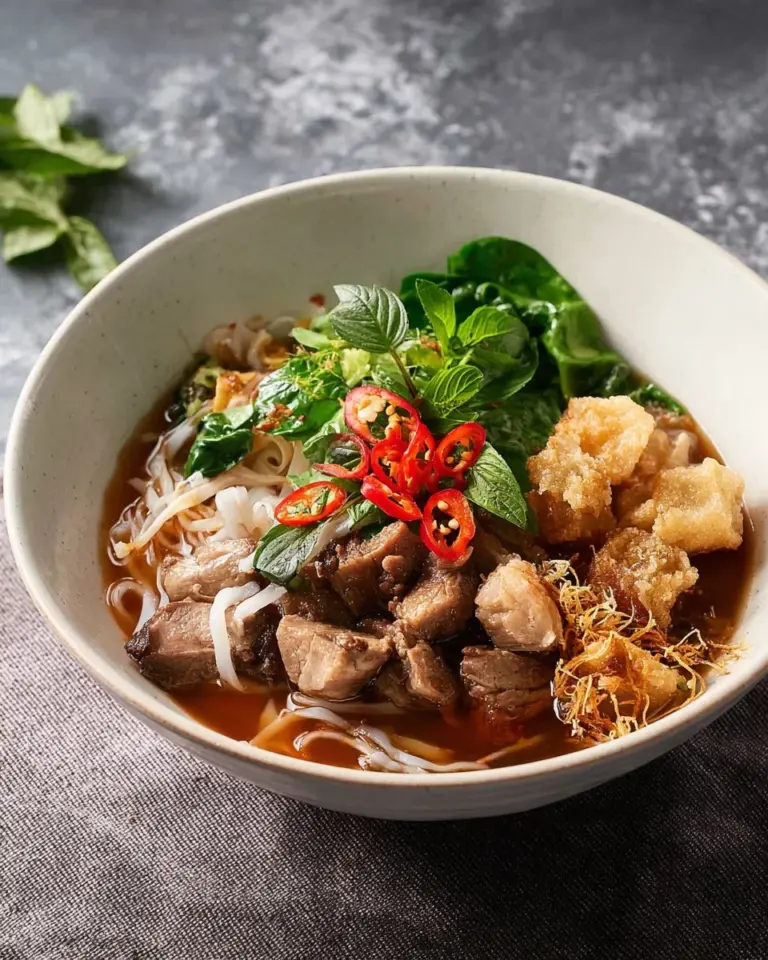
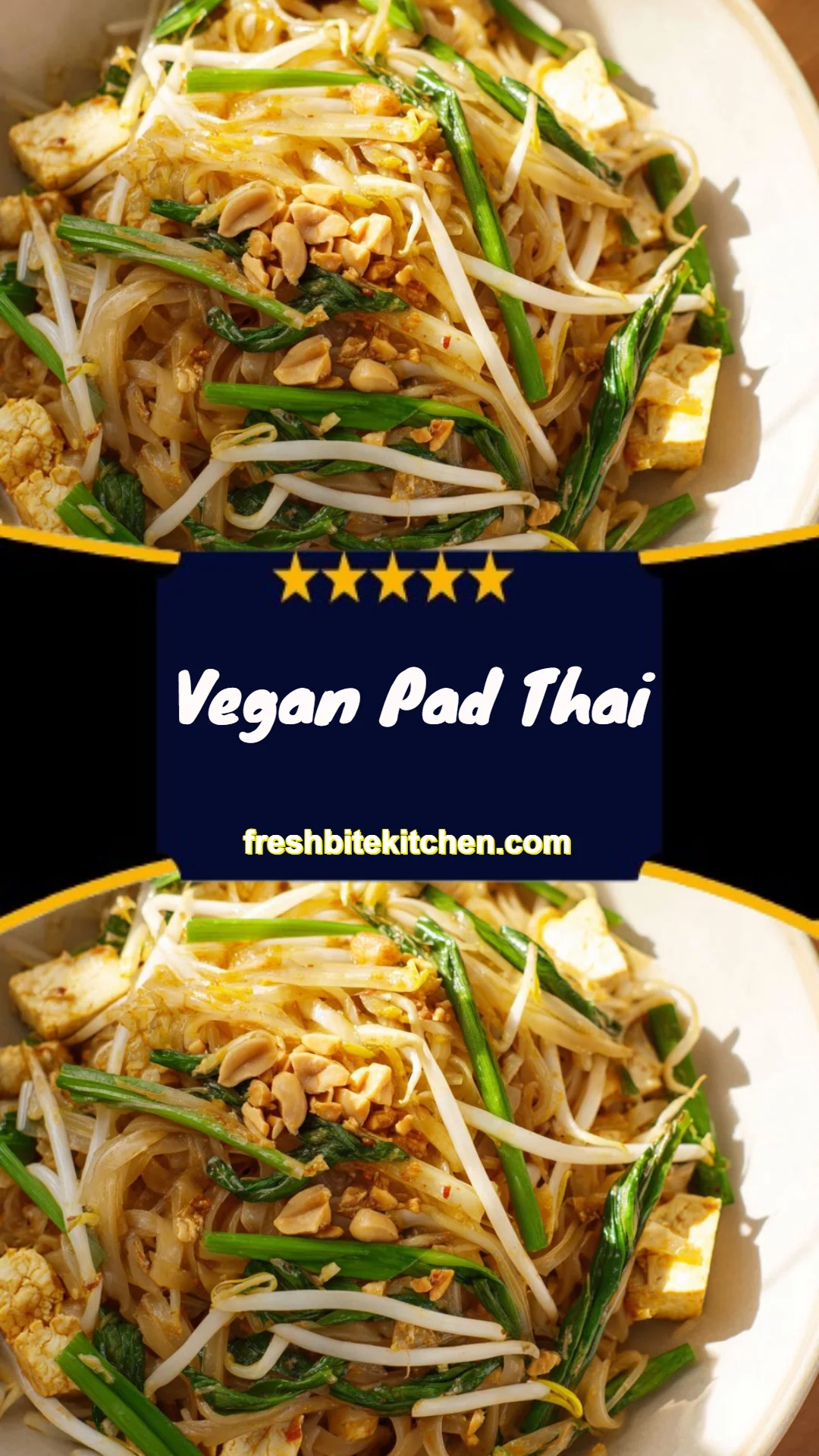
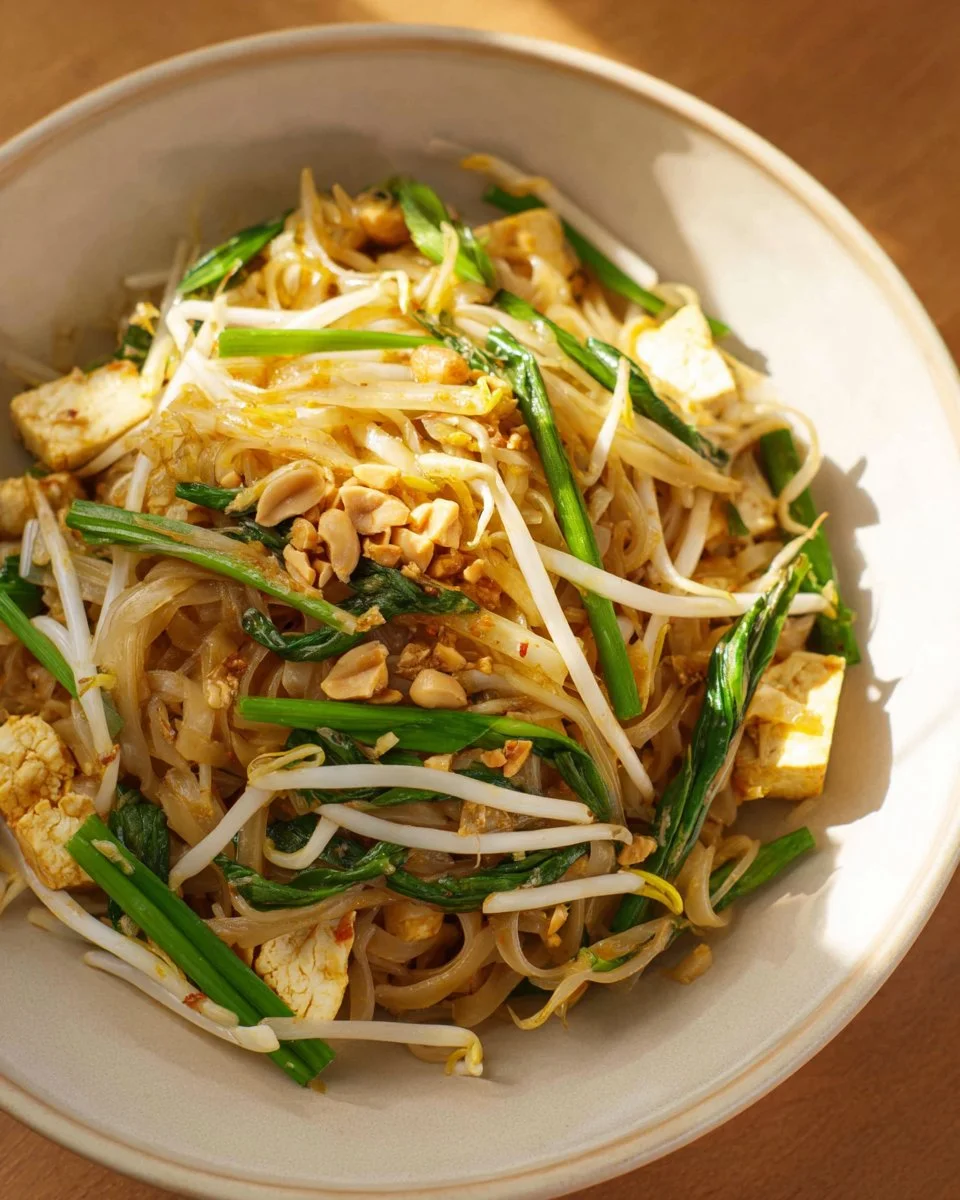
What makes Vegan Pad Thai unique is its ability to cater to plant-based diets while keeping all the beloved elements intact. The rice noodles are slippery and chewy, contrasting beautifully with the crisp vegetables like bean sprouts and the richness of the tofu. Topped with lime juice and crunchy peanuts, each bite is a delightful explosion of flavors and textures.
This dish is perfect for meal prep, cozy family dinners, or impressing guests at gatherings. The combination of sweet, savory, and tangy elements plus the warming sensation it brings makes it a versatile comfort food.
Why You’ll Love This Recipe
Easy to Make: You don’t need to be a culinary whiz to whip up this Vegan Pad Thai! The step-by-step instructions make it simple for cooks at any skill level. Get your family involved—everyone can help with their favorite parts!
Better Than Takeout: Why settle for takeout when you can create a fresher, tastier version at home? Store-bought and restaurant varieties often contain excess oil and hidden animal products. With this recipe, you control all the ingredients and flavors.
Cost-Effective: Dining out can quickly add up, especially for specialty dishes like pad Thai. With this recipe, you can enjoy this restaurant-worthy dish at a fraction of the price. Plus, you’ll have leftovers!
Customization Options: Not a fan of tofu? No problem! Feel free to swap in tempeh, chickpeas, or your favorite vegetables. Want it spicier? Add some chili flakes. This recipe is a blank canvas for your culinary creativity.
Satisfying Comfort Food: There’s something undeniably comforting about a bowl of well-made pad Thai. Whether it’s a rainy day or you’re simply craving something delicious at the end of a long day, this dish warms the soul just like grandma’s home-cooked meals.
Ready your pans and let me guide you through making the ultimate Vegan Pad Thai!
Ingredients Section
4 oz dry rice noodles: Choose quality rice noodles; brands like Thai Kitchen are reliable. Soak them gently to ensure they maintain their texture.
3 Tbsp vegetable oil: Opt for a neutral oil like canola or grapeseed. These won’t overpower the dish’s flavors.
3/4 cup pressed tofu, cut into small pieces: Press your tofu for at least 15 minutes to remove excess moisture for better browning. Silken tofu can be used for a creamier texture—experiment with what you love!
1 cup fresh shiitake mushrooms, thinly sliced: If shiitake mushrooms are unavailable, feel free to substitute with button or portobello mushrooms.
3 Tbsp finely chopped palm sugar: Palm sugar adds a lovely depth of flavor. Coconut sugar is a great substitute if you can’t find palm sugar.
1/4 cup chopped shallot: Shallots offer a mild sweetness; yellow onions can work as an alternative.
4 cloves garlic, chopped: Fresh garlic is a must for that aromatic base!
3/4 cup garlic chives, cut into 2-inch pieces: These add a nice garlic flavor; green onions can be used if needed.
1 cup bean sprouts, plus extra for serving: Fresh is best! They add crunch and texture to the dish.
1/4 cup roasted peanuts, chopped (optional): Crunchy peanuts elevate your dish. Opt for unsalted for better control over your seasoning.
2 eggs (optional): For adding richness and protein; this step remains entirely vegan-friendly without them!
Before you start, make sure all ingredients are prepped and ready to go; having everything handy will make the cooking process far smoother.
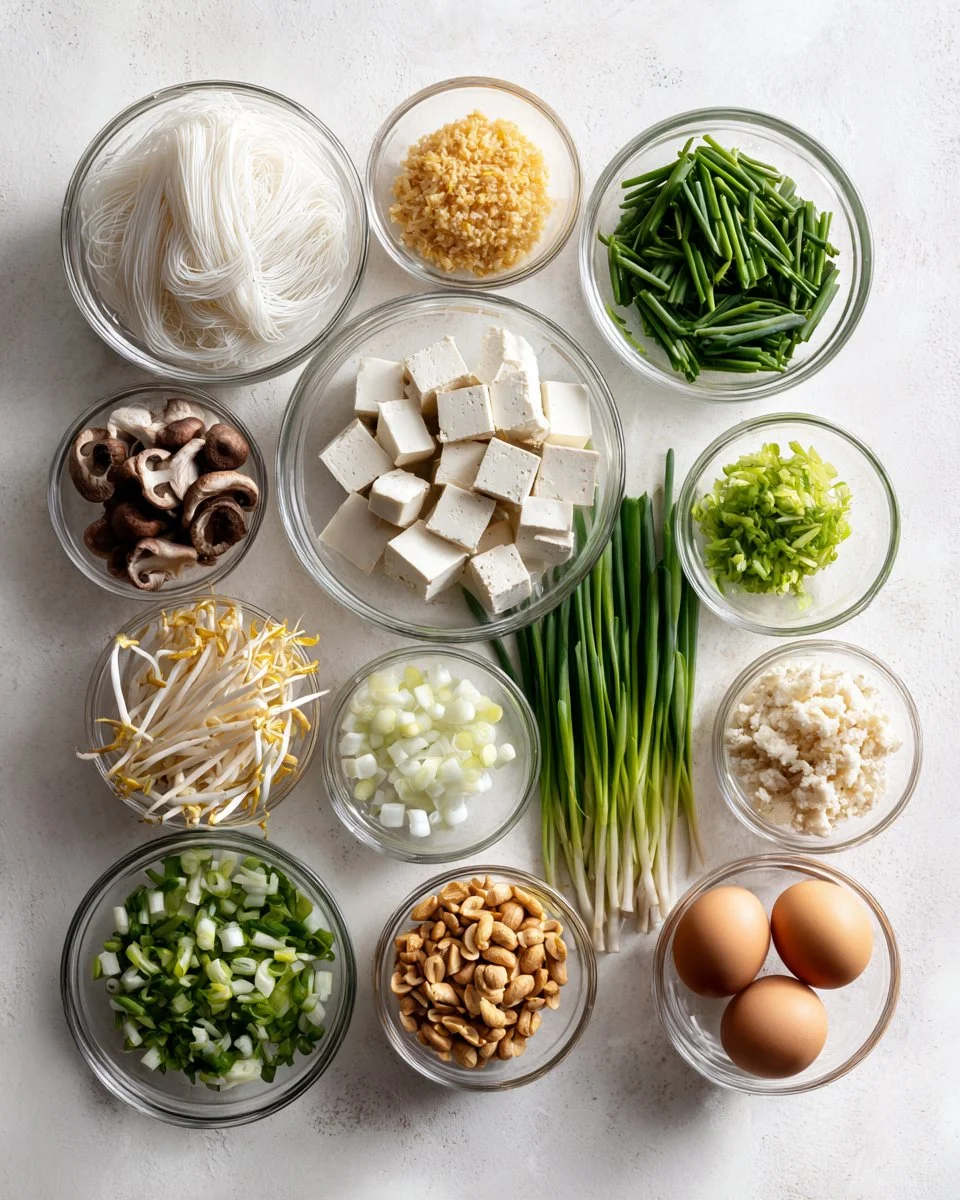
Step-by-Step Instructions
Soak the Rice Noodles (1 hour): Begin by soaking the rice noodles in room temperature water for one hour, or until they turn white and tender. This process ensures they absorb enough water without becoming mushy. Drain them and set aside.
Make the Sauce (5 minutes): In a small bowl, combine the fermented soybean paste (or a substitute like soy sauce) with a bit of water and all remaining sauce ingredients. Whisk it until smooth, creating a luscious, glossy consistency.
Sear the Tofu and Mushrooms (5-7 minutes): In a large wok or non-stick pan, heat 1 tablespoon of vegetable oil over medium heat. Add the shiitake mushrooms and tofu pieces, searing until golden brown, about 3-4 minutes per side. Remove them from the pan and set aside.
Chef’s Tip: Don’t overcrowd the pan! This ensures even cooking and a beautiful golden crust.
Caramelize Garlic and Shallots (3-4 minutes): In the same pan, add 2 additional tablespoons of oil. Next, toss in the garlic, shallots, and palm sugar. Sauté until caramelized and fragrant, about 3-4 minutes. Keep stirring to prevent burning; you want these to develop a beautiful golden hue.
Incorporate Noodles and Sauce (2-3 minutes): Deglaze the pan with your prepared sauce, then add the soaked noodles, mushrooms, and tofu back to the pan. Toss everything together until the sauce is absorbed and the noodles are evenly coated.
Add the Eggs (Optional) (2 minutes): If you’re using eggs, push the noodles to one side of the pan, crack the eggs into the other side, and let them set for about a minute. Then, scramble them and mix everything together.
Finish with Fresh Veggies (1-2 minutes): Turn off the heat and toss in the bean sprouts and garlic chives. Mix well to combine, adjusting seasoning to taste. Serve immediately, topping with chopped peanuts if desired.
Common Mistake to Avoid: Overcooking the noodles! They should have a slight bite when fully cooked, as they will continue to cook slightly in the wok.
Expert Tips & Tricks
Storage Recommendations: Leftovers can be stored in an airtight container in the refrigerator for up to 3 days. Reheat gently on the stove with a splash of water or vegetable broth to revive the noodles.
Make-Ahead Instructions: You can prep all your ingredients a day in advance. Store the prepped vegetables and soaked noodles separately for maximum freshness.
Troubleshooting: If your pad Thai seems too saucy, allow it to cook a bit longer over low heat, stirring frequently to evaporate excess liquid.
Mix it Up: Feel free to add seasonal vegetables—add carrots in the winter or zucchini in the summer!
Experiment with Flavors: For a smoky flavor, add some smoked paprika or liquid smoke to your sauce.
With these tips in hand, your Vegan Pad Thai will surely impress!
Serving Suggestions
To create a complete meal, consider serving your Vegan Pad Thai with a refreshing cucumber salad drizzled with lime or a side of spicy kimchi for some extra kick. Presentation is key—serve your pad Thai in a large bowl, garnished with bean sprouts, lime wedges, and fresh herbs for that professional touch. This dish is also perfect for casual dinners, holiday gatherings, or entertaining guests as a fun new twist on traditional favorites.
Variations & Substitutions
Flavor Combinations: Experiment with flavors by incorporating citrus, such as zesting in some lime or adding fresh basil or cilantro for herby freshness. You could even toss in some curry powder or chili oil for an excitement boost!
Dietary Restriction Adaptations: This recipe is naturally gluten-free by using rice noodles and tamari instead of soy sauce. Vegan and allergy-friendly, it’s also nut-free if you skip the peanuts or substitute with sunflower seeds.
Seasonal Variations: Depending on the time of year, add seasonal vegetables such as bell peppers in the summer or squash in the fall. Not only does this add color, but it also enhances the nutritional profile!
Nutrition & Storage Info
- Prep Time: 20 minutes
- Cook Time: 15 minutes
- Total Time: 35 minutes
- Yield: 4 servings
- Calories: Approximately 350 calories per serving
Storage Instructions
- Store leftovers covered in the fridge for up to 3 days.
- Reheat on the stovetop over low heat with a splash of water or broth to bring it back to life!
FAQ Section
Can I substitute the rice noodles with another type of noodle?
Yes! You can use soba noodles or even zucchini noodles for a low-carb option, though cooking times may vary.
Is this recipe gluten-free?
Yes, as long as you use gluten-free rice noodles and tamari instead of traditional soy sauce.
Can I make this ahead of time?
Absolutely! Prepping the ingredients ahead makes cooking a breeze.
How do I store leftovers?
Store leftover Vegan Pad Thai in an airtight container in the fridge for up to 3 days.
Is it possible to make this recipe nut-free?
Yes! Simply omit the peanuts or substitute them with sunflower seeds, and ensure any sauces used do not contain nut oils.
What if I don’t have palm sugar?
You can use brown sugar or coconut sugar as a suitable alternative for palm sugar.
Can I add more vegetables?
Definitely! This recipe is very flexible. Feel free to add bell peppers, snap peas, or bok choy.
How spicy is this dish?
The level of spice is up to you! Adjust the spice level by adding more chili flakes or a dash of hot sauce.
Will this dish work with meal prep?
Yes! It’s great for meal prep, as it reheats well, though the bean sprouts are best added fresh just before serving.
What other dishes can I make with the leftovers?
Turn your pad Thai leftovers into a stir-fried rice dish or wrap them in lettuce leaves for a fresh take!
Conclusion
This Vegan Pad Thai recipe is not just a dish; it’s a celebration of flavors, nostalgia, and creativity that brings us closer together. With easy steps and the freedom to customize, it has the potential to become a cherished recipe in your home, just like it has in mine. I can’t wait for you to try it and hear all about your experiences in the comments!
If you enjoyed this recipe, check out some of my other beloved vegan dishes on the blog for more delicious inspiration. Happy cooking!
Vegan Pad Thai
Ingredients
Method
- Soak the rice noodles in room temperature water for one hour, or until tender. Drain and set aside.
- In a small bowl, whisk together the fermented soybean paste with a bit of water and all remaining sauce ingredients until smooth.
- Heat 1 tablespoon of vegetable oil over medium heat in a large wok or non-stick pan. Sear the mushrooms and tofu until golden brown, about 3-4 minutes per side. Remove from the pan.
- Add 2 tablespoons of oil to the pan, then sauté the garlic, shallots, and palm sugar until caramelized and fragrant, about 3-4 minutes.
- Deglaze the pan with the prepared sauce, then add the soaked noodles, mushrooms, and tofu back to the pan. Toss until the sauce is absorbed and the noodles are coated.
- If using, push the noodles to one side, crack the eggs into the other side, and scramble them in the pan.
- Finally, toss in the bean sprouts and garlic chives, mix well, then serve immediately topped with peanuts if desired.